





Spray Dryer an overview
 Jun 25, 2025|
 View:1831
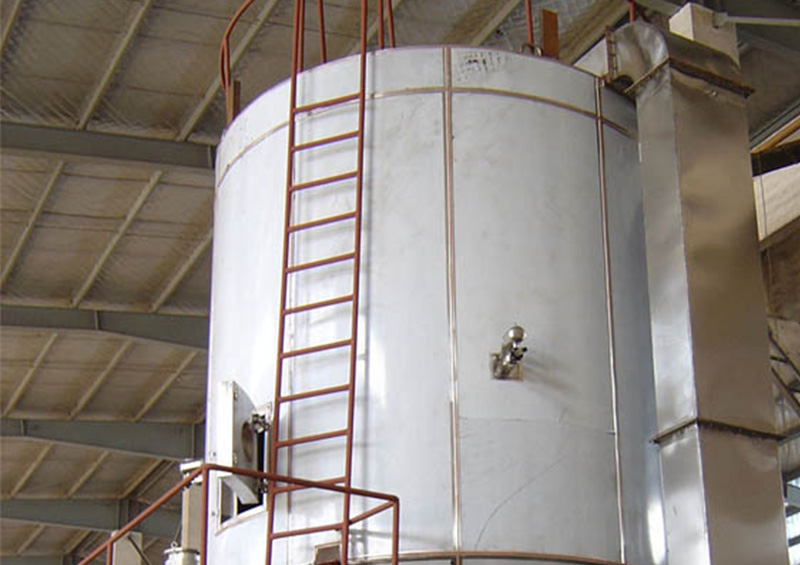
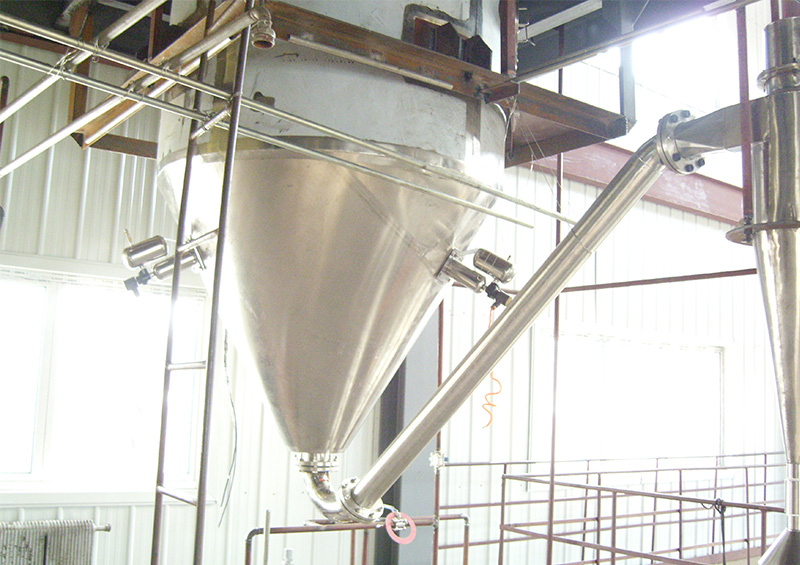
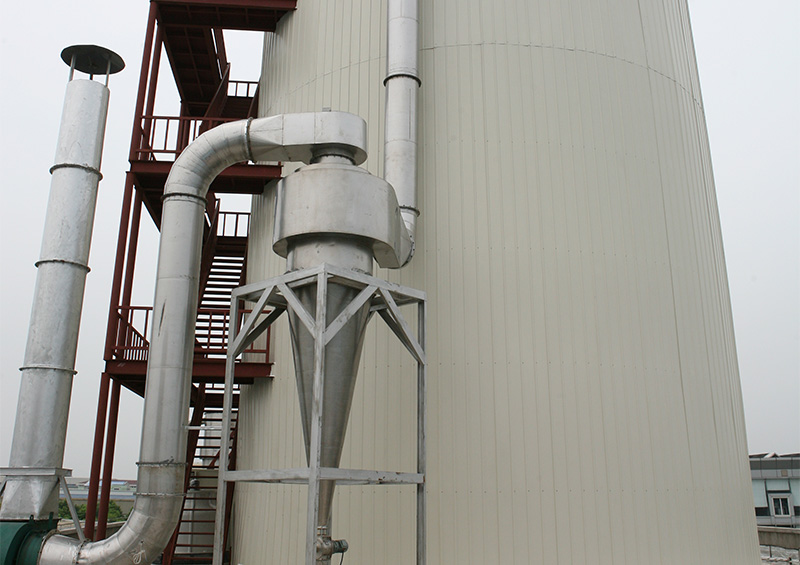
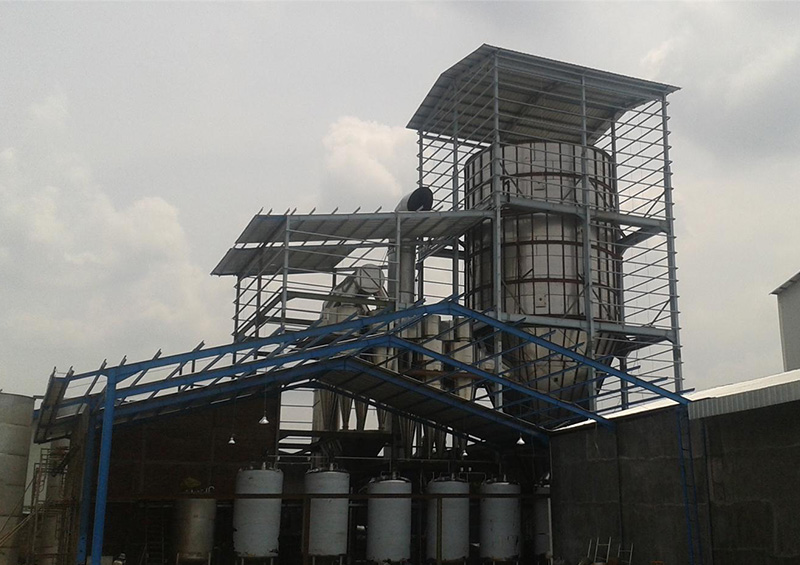
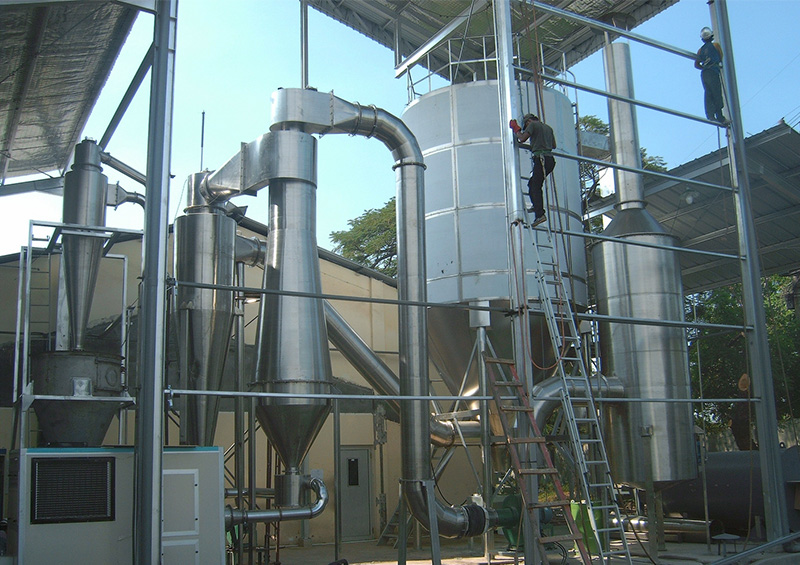
In the realm of industrial processing, the spray dryer stands as a cornerstone device, transforming liquid formulations into fine, dry powders with remarkable precision and efficiency. This technology, which has been in use for over a century, has undergone significant advancements in recent years, driven by the demand for higher productivity, improved product quality, and a growing emphasis on sustainability.
Traditional spray dryers, while effective, often faced challenges related to energy consumption, product uniformity, and operational flexibility. Modern spray dryers, however, incorporate cutting-edge design features that address these issues head-on. For instance, advanced nozzle designs enable more precise control over droplet size and distribution, leading to a more consistent particle size in the final product. This not only enhances the quality of the dried powder but also improves its flowability and solubility, critical factors in many applications.
Moreover, the integration of multi-stage drying systems allows for a more tailored drying process. By adjusting the temperature, airflow, and residence time within different sections of the dryer, manufacturers can optimize the drying conditions for specific products, minimizing thermal degradation and preserving the active ingredients or flavor compounds in sensitive materials.
One of the most notable advancements in spray dryer technology is the focus on energy efficiency. With rising energy costs and a global push towards reducing carbon footprints, manufacturers are increasingly seeking drying solutions that offer high performance with minimal energy consumption. Modern spray dryers achieve this through a combination of innovative heat recovery systems, optimized air handling, and the use of alternative energy sources.
Heat recovery systems, for example, capture and reuse waste heat from the exhaust gases, significantly reducing the energy required to preheat the incoming air. Additionally, advanced insulation materials and airtight designs minimize heat loss during the drying process, further enhancing energy efficiency. Some spray dryers even incorporate renewable energy sources, such as solar or biomass, to power their operations, offering a truly sustainable drying solution.
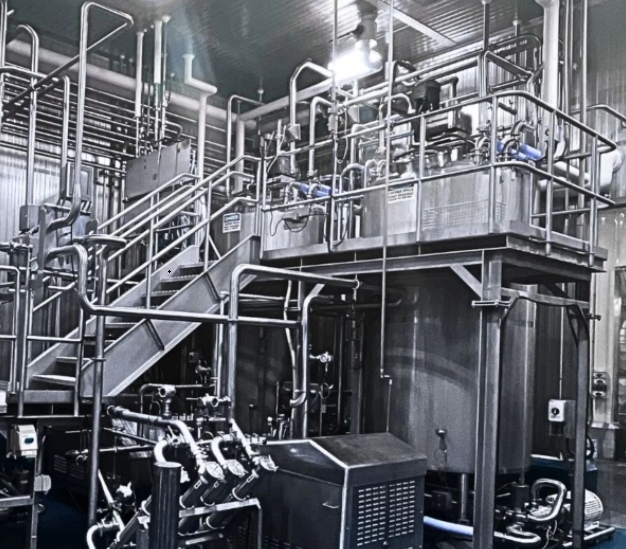
The advent of Industry 4.0 has brought about a paradigm shift in spray dryer operation, with smart automation and process control systems becoming increasingly prevalent. These systems leverage sensors, data analytics, and machine learning algorithms to monitor and optimize the drying process in real-time. By continuously analyzing key parameters such as temperature, humidity, and airflow, the system can make instant adjustments to ensure consistent product quality and maximize efficiency.
Furthermore, smart automation enables remote monitoring and control, allowing operators to manage multiple spray dryers from a single location. This not only reduces the need for on-site personnel but also facilitates faster response times to process upsets or maintenance issues, minimizing downtime and maximizing productivity.
As spray dryer technology continues to evolve, its applications are expanding into new and exciting areas. In the pharmaceutical industry, for example, spray drying is being used to produce highly potent and complex drug formulations with improved bioavailability and stability. In the food sector, innovative spray drying techniques are enabling the production of functional food ingredients with enhanced nutritional profiles and sensory attributes.
The spray dryer has come a long way since its inception, evolving from a basic industrial tool to a sophisticated, intelligent, and sustainable drying solution. With ongoing advancements in design, energy efficiency, automation, and application diversity, spray dryers are poised to play an even more pivotal role in the industrial processing landscape of tomorrow.