





What Is a Spray Dryer? Working Principle, Types & Selection Guide
 Jun 26, 2026|
 View:433
A spray dryer is a machine that changes a liquid or slurry into dry powder. It does this by drying the liquid quickly with hot gas. Spray drying is very helpful for products that cannot handle too much heat, like foods and medicines. Many companies use spray dryers because they work fast. They also help keep the product’s quality and nutrition. For example, spray dryers are used to make milk powder, instant coffee, and powdered medicines.
Food and drink companies use spray dryers to make products last longer.
Medicine makers use spray drying to make better drugs.
Chemical companies use this method to get the same results every time.
Key Takeaways
Spray dryers change liquids into dry powders very fast. This keeps the quality and nutrients safe. That is why they are good for food and medicine.
There are different spray dryers like co-current and counter-current. These types change how fast things dry and how good the product is. Pick the right one for what you need to dry.
Think about your product, how much you want to make, and how much energy you use. This helps you pick the best spray dryer for good results.
You need to take care of your spray dryer often. Getting help from a good supplier is important. This keeps your spray dryer working well and fast.
You can change the settings on your spray dryer. This lets you control how big the powder pieces are and how wet they are. You can make the final product just how you want it.
Spray Dryer Overview
What Is a Spray Dryer?
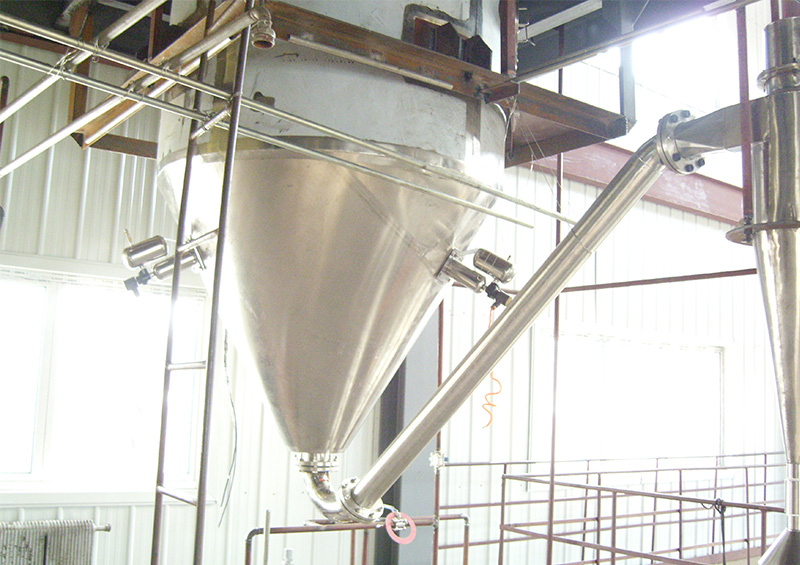
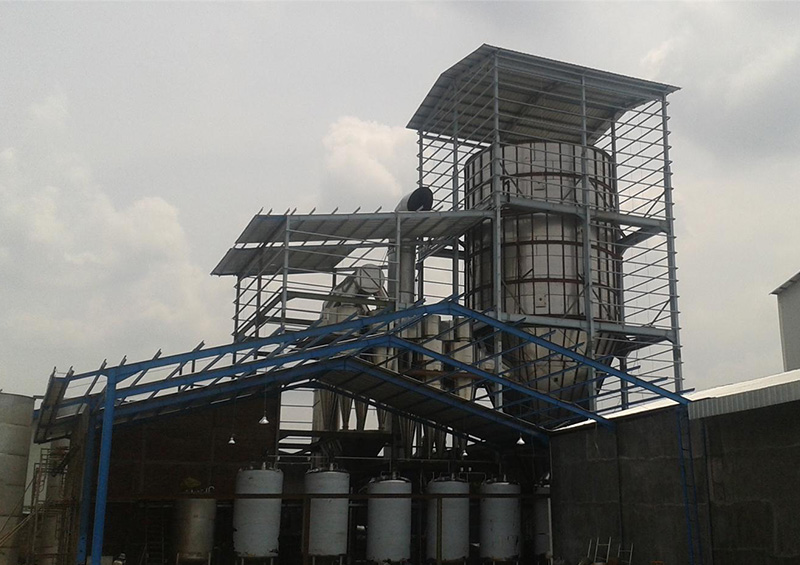
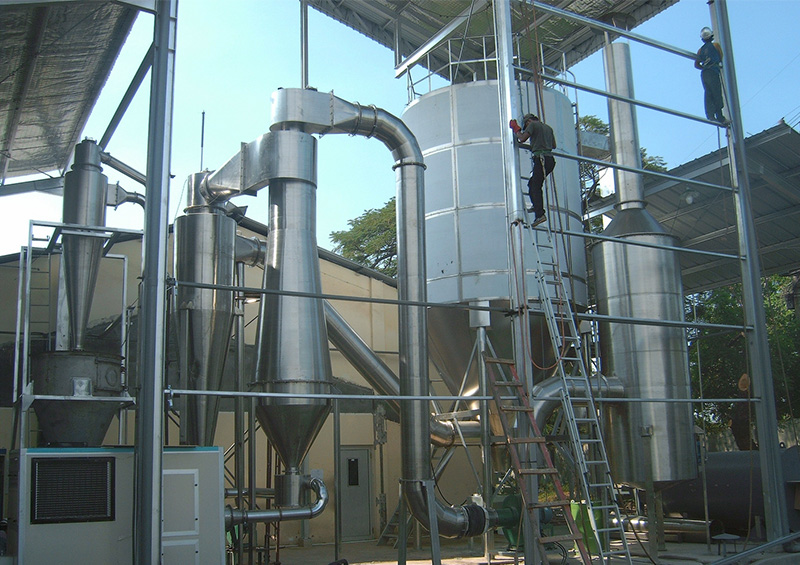
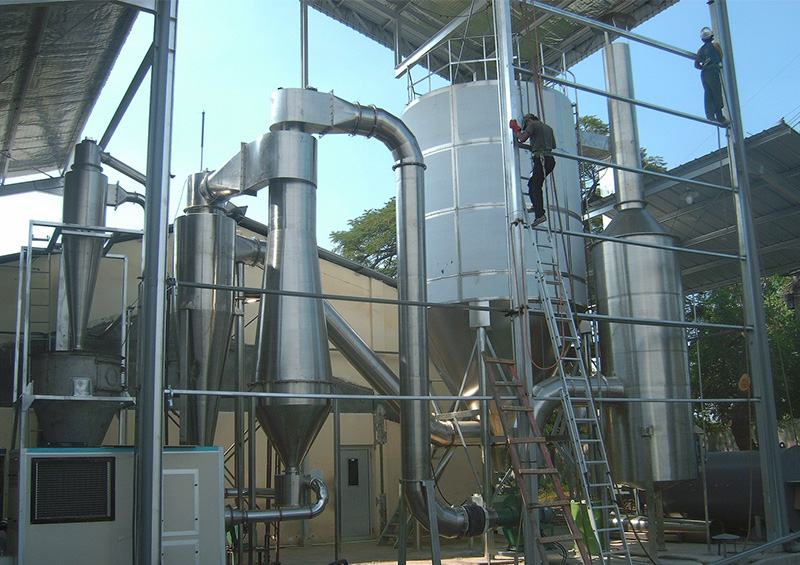
A spray dryer is a machine that turns liquid into powder fast. It sprays the liquid into small drops and mixes them with hot air. The hot air makes the water in the drops go away quickly. Only dry bits are left behind. Factories use spray dryers a lot because they help make powders that keep their taste, nutrients, and quality.
Here is a simple table that shows how a spray dryer works step by step:
Step | Description |
|---|---|
Atomization | The liquid gets broken into tiny drops by a nozzle or spinning disk. |
Spray-Air Mixing | These drops get mixed with hot air, usually between 100°C and 300°C. |
Moisture Evaporation | The hot air makes the water in the drops dry up very fast. |
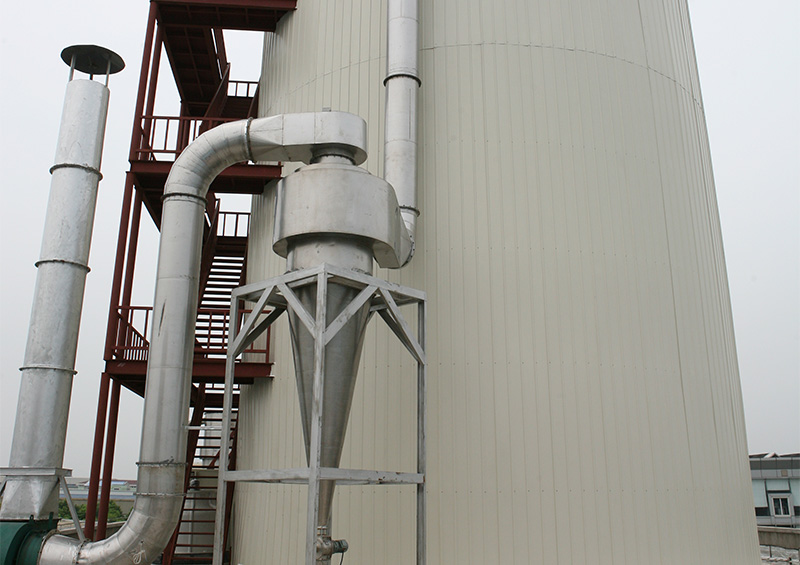
Dry Product Separation | The dry powder is collected with a cyclone separator that spins out the solid bits. |
You can change the heat and speed to make the powder just how you want it. Spray drying is a good way to dry things that cannot take too much heat, like milk or medicine.
Key Industrial Applications
Spray dryers are used in many places because they help make powders that are easy to keep and use. Here is a table that shows where spray drying is used:
Industry | Applications |
|---|---|
Food | Instant coffee, tea, milk powders, egg products, baby formula, and flavors. |
Pharmaceuticals | Powders, granules, tablets, and capsules for medicine. |
Chemicals | Catalysts, pigments, detergents, and drying chemical solutions. |
Agriculture | Animal feed, fertilizers, and pesticides. |
Biotechnology | Proteins, vaccines, and other biopharmaceuticals. |
Environmental | Treating wastewater, solid waste, and cleaning air pollution. |
Cosmetics | Cosmetic powders and personal care products. |
Spray dryers are used most in the food industry. They help make things like milk powder and instant coffee that people use every day. You also see spray drying in medicine, chemicals, and animal feed. This way, you can make powders that last longer and are easy to move.
Tip: If you want your powder to be a certain size or have a certain amount of water, you can change the settings on your spray dryer. This helps you get the product you need for your business.
Spray Drying Process
The spray drying process turns a liquid into dry powder in seconds. There are three main steps in this process. Each step helps make the powder the right size and quality.
Atomization
Atomization is the first step in spray drying. In this step, you change the liquid into tiny drops. You use an atomizer or spray nozzle to do this. The way you make the drops changes how big and what shape the particles are. Here is a table that shows different atomization methods and what they do to the powder:
Atomization Method | Particle Size Impact |
|---|---|
Centrifugal Atomizers | Make bigger particles with more size differences |
Pressure Nozzles | Make particles that are almost the same size |
Air-flow Atomizers | Make smaller and finer particles |
Tip: Pick the right atomizer if you want a certain particle size.
Drying and Moisture Removal
After atomization, the drying step starts. The drops go into a chamber with hot air. The hot air makes the water in the drops dry up fast. This step is important because it keeps the taste and nutrients in your product. The drying depends on a few things:
The temperature of the air going in and out
The size of the drops
How fast the air moves
The shape of the drying chamber
You can change these things to get the best powder. The goal is to dry the powder fast without hurting the product.
Powder Collection
Powder collection is the last step in spray drying. You need to take the dry powder out of the air. Most spray dryers use cyclones or bag filters for this. Cyclones are good for bigger particles. Bag filters work better for small powders. If you use the right way to collect powder, you get more product and keep it clean. A good system stops dirt from getting in and makes sure your powder is good.
Note: Spray drying makes powders that are easy to store, move, and use in many industries.
Spray Dryer Types
Co-current and Counter-current
You can pick co-current or counter-current spray dryers. These two types work in different ways. They also change how good your powder is. In co-current spray dryers, hot air and droplets move together. This makes the outside of the powder dry fast. It helps keep heat-sensitive things safe, like food. In counter-current spray dryers, air and droplets move apart. This dries the powder more slowly. It also uses heat better. Look at the table to see how they are not the same:
Feature | Co-Current Design | Counter-Current Design |
|---|---|---|
Advantages | Fast surface drying | Slow moisture removal |
Good for heat-sensitive things | Better heat use | |
Disadvantages | Hotter exhaust gas | Harder to control powder heat |
Not as good with heat | Can overheat powder |
Tip: Use co-current spray dryers for heat-sensitive things. Counter-current spray dryers are better for making lots of powder.
Closed Loop Systems
Closed loop systems use the drying gas again and again. This helps cut down on waste. You use these systems for flammable or toxic things. Closed loop spray dryers keep workers safe. They also help protect the earth. You see closed loop systems in food and medicine factories. The table shows what they do:
Feature/Benefit | Description |
|---|---|
Recycling of Drying Gas | Uses the same gas again, so there is less waste. |
Environmental Sustainability | Helps the planet by making less pollution. |
Safety in Handling Hazardous Materials | Keeps workers safe when drying dangerous things. |
Preferred in Sensitive Industries | Good for medicine and chemicals because it handles risky stuff well. |
Note: Closed loop spray dryers are safer for dangerous materials.
Specialized Models
You can get special spray dryers for your needs. Changzhou Jinqiao has the YPG Pressure Spray Dryer and LPG High Speed Centrifugal Spray Dryer. The LPG model spins fast to make small powder. It dries the powder quickly. You can change the size of the powder. You can also pick how to heat it. The YPG model is good for making very exact powder. It works well for medicine and food. See the table for more:
Feature | LPG Series High Speed Centrifugal Spray Dryer |
|---|---|
Hourly evaporation capacity | 2-3000KG/H |
Equipment material | SUS304, SUS316L, etc. |
Heating source | steam, electric heating, thermal oil, natural gas, coal, etc. |
Atomization form | centrifugal type, pressure type |
Performance Features | Dries fast, makes pure powder, good quality, changeable size |
Applicable materials | Chemicals, Food, Ceramics, and more |
Feature | YPG Series Pressure Spray Dryer |
|---|---|
Type | High Precision Pressure Spray Granulator |
Application | Good for medicine, food, and more |
Different spray dryers work best for different things. Heat-sensitive things need lower heat. Thick liquids work better with centrifugal spray dryers. If you want a certain powder size, you can change the machine settings.
Tip: Pick the right spray dryer to get the powder you want.
Spray Dryer Selection
Choosing the right equipment for spray drying can help you get the best results for your business. You need to look at your product, how much you want to make, how much energy you will use, and how easy it is to keep your machine running. You also want to work with a company that has a good name and offers support when you need it.
Product and Feed Properties
You should start by thinking about what you want to dry. Each product has its own needs. For example, some powders need to stay cool during drying, while others can handle more heat. The way your liquid flows and its thickness also matter. If you work with thick liquids, you may need a centrifugal system. If your liquid is thin, a pressure system can work well. The size and shape of the particle you want will change the type of atomizer you pick.
Here are some things to consider:
Heat-sensitive materials need low temperatures to keep their quality.
High-viscosity liquids work best with centrifugal systems to stop sticking.
Low-viscosity liquids can use pressure systems for even drying.
The size of the particle and how much solid is in your liquid will affect your choice.
Different industries, like the food industry, need powders with special flow and size.
You can see how different types fit different needs in this table:
Type of Dryer | Best For | Selection Tip |
|---|---|---|
Rotary Disc | Slurries, dyes, ceramics | Good for controlling particle size |
Nozzle | Heat-sensitive products | Great for pressure atomization |
Fluidized | Detergents, food powders | Makes larger particles |
Closed Loop | Solvent-sensitive products | Uses nitrogen for safety |
Sterile | Medicines | Keeps powders clean |
Lab Scale | Testing and R&D | Try before you buy |
Tip: Always match your product’s needs to the right spray drying system. This helps you get the particle size and quality you want.
Capacity and Efficiency
You need to know how much powder you want to make each hour or day. The size of your machine should fit your production goals. If you want to make a lot, pick a bigger system. If you are testing or making small batches, a lab-scale unit is better.
Many things affect how well your system works. These include the temperature of the air, the way the air moves, and the design of the chamber. The way you break up the liquid into drops also matters. If you want to make the same particle size every time, you need a good atomizer.
Here is a table that shows what affects capacity and efficiency:
Factor | What It Means for You |
|---|---|
Inlet Temperature | More heat dries faster, but can change product quality |
Outlet Temperature | Controls final moisture and powder quality |
Atomization Energy | Changes particle size and drying speed |
Air Flow Rate | More air can dry faster, but uses more energy |
Equipment Design | Good design means better drying and less waste |
Operator Skill | Trained staff keep things running smoothly |
Note: If you want to save money and get better results, pick a system with smart controls and a good design.
Energy Use and Cost
Spray drying uses a lot of energy, especially when you need to remove water fast. Most of the energy goes into heating and drying. If your system is not clean or set up right, you will use even more energy. This can make your costs go up.
You can save energy by keeping your machine clean and checking for problems often. If you use a system with better heat transfer, you will use less power. This also helps the planet by making less pollution.
Most energy is used for heating and drying.
Problems like fouling or wrong settings can waste energy.
Good maintenance and smart controls help lower costs.
Tip: Choose a system that is easy to clean and has energy-saving features. This will help you spend less and work better.
Maintenance and Support
Keeping your machine in good shape is important. You should check it every day for small problems. Lubricate moving parts each week. Check seals and gaskets every month. Look for rust or wear every few months. Once a year, do a full check and replace old parts. Some systems use smart sensors to warn you before something breaks.
Here is a table to help you plan maintenance:
Task | Why It Matters |
|---|---|
Daily Inspections | Catch small issues early |
Weekly Lubrication | Stop parts from wearing out |
Monthly Seal Checks | Keep air in and powder quality high |
Quarterly Inspections | Find rust or damage before it gets worse |
Annual Overhaul | Replace old parts for best performance |
Predictive Maintenance | Use sensors to avoid breakdowns |
You should also think about the support you get from your supplier. Good companies offer help with setup, training, and repairs. Changzhou Jinqiao gives you full project support, from design to installation. You can get custom machines, help with choosing the right size, and service centers around the world.
Note: Pick a supplier with a strong reputation, ISO certifications, and the ability to customize your system. This will help you get the best results and support for your business.
Spray dryers let you change liquids into powders very fast. They dry things quickly and keep working without stopping. You can also control how good the powder is. There are different types, like co-current, counter-current, and special models. When you pick a spray dryer, think about what your product needs. You should also think about how big you want the powder pieces and how much you want to make.
Factor | Why It Matters |
|---|---|
Capacity | Makes sure you can make enough powder |
Temperature | Keeps your product safe and good |
Moisture | Helps the powder stay fresh and stable |
It is smart to buy from companies you trust. They can help you get better powder and make your work easier.
FAQ
What is the main purpose of a spray dryer?
You use a spray dryer to turn liquids into dry powder quickly. This helps you keep the product’s quality and makes storage and transport easier.
Can you use a spray dryer for heat-sensitive materials?
Yes, you can. Spray dryers let you dry heat-sensitive products like milk or medicine without damaging them. You control the temperature to protect the product.
How do you choose the right spray dryer?
You look at your product’s needs, the amount you want to make, and the powder size. You also check the machine’s features and support from the supplier.
What industries use spray dryers?
You find spray dryers in food, pharmaceuticals, chemicals, agriculture, and cosmetics. These machines help you make powders for many uses.
How do you keep a spray dryer working well?
You check the machine every day, clean it often, and replace worn parts. Good maintenance helps you get high-quality powder and keeps your equipment running smoothly.