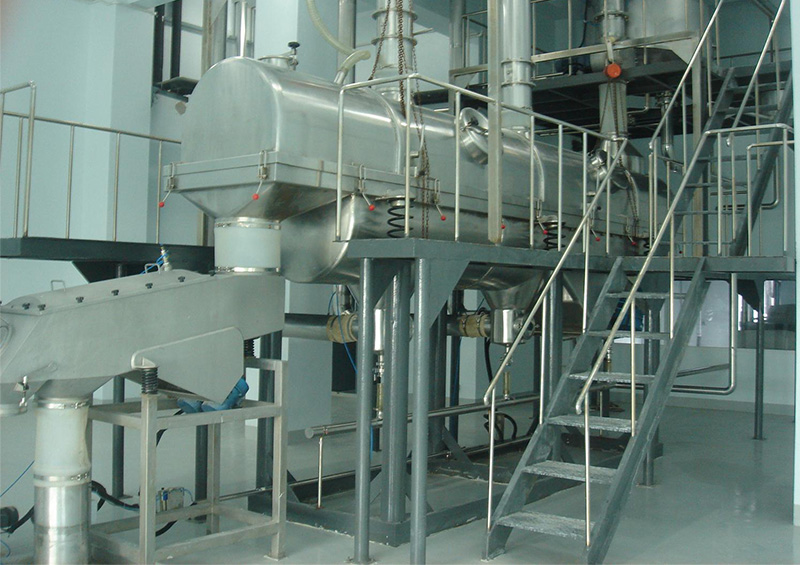






How spray dryers are used in milk powder production
 Mar 11, 2026|
 View:718
You use a spray dryer for milk powder production to quickly and safely convert liquid milk into powder. The spray dryer transforms milk into small droplets, which are then dried with hot air. This method saves energy while preserving the quality of the milk. When comparing other drying methods, you'll find that the spray dryer can process up to 100 tons of milk each hour, allowing for excellent control over product quality.
Drying Method | Thermal Efficiency | Throughput Capacity | Initial Capital Investment | Product Quality Control |
|---|---|---|---|---|
Spray Dryer for Milk Powder Production | 35-60% | Up to 100 tons/hour | 30-50% higher than others | High |
Rotary Dryer | 60-75% | 5-50 tons/hour | Lower than spray dryers | Moderate |
Tray Dryer | 40-70% | 0.1-5 tons/batch | Lower than spray dryers | Very High |
A spray dryer for milk powder production allows you to automate the process, making it easier to store and transport milk powder. This results in a product that has a longer shelf life and meets your specific needs.
Key Takeaways
Spray dryers change liquid milk into powder fast. This keeps the milk good and keeps its nutrients. It also uses less energy.
The process can handle a lot of milk at once. It can process up to 100 tons of milk each hour. This makes it good for big factories.
It is important to control the temperature and airflow. This helps keep the milk powder safe and good.
Spray-dried milk powder lasts a long time. It can stay good for 12 to 24 months. This makes it easier to store and move than liquid milk.
Automation helps spray drying work better and faster. It lets the machines run all the time with little stopping.
What Is Spray Drying?
Principle of Spray Drying
You use the spray drying process to turn liquid milk into powder quickly and efficiently. The spray dryer works by breaking the milk into tiny droplets, which then meet a stream of hot air. This step is called atomization of milk. The small droplets dry almost instantly, leaving behind fine milk powder.
Here is a simple breakdown of how the spray drying process works:
You start by preparing the milk. Pasteurize and concentrate it to remove some water.
Next, you set up the spray dryer. Check the atomizer and the drying chamber.
You feed the milk into the spray dryer. The atomizer turns the milk into a mist of fine droplets.
Hot air flows through the chamber. It quickly removes moisture from the droplets.
The dried milk powder falls to the bottom, ready for collection and packaging.
The spray dryer uses heat and airflow to remove water fast, which helps keep the nutrients in the milk.
Step | Description |
|---|---|
1 | The concentrated milk enters the spray dryer and becomes fine droplets. |
2 | The atomizer, either a rotary device or nozzle, creates these droplets. |
3 | Hot air dries the droplets, causing rapid moisture evaporation. |
4 | Careful control of air temperature and time protects the milk’s quality. |
Why It’s Used for Milk
You find the spray drying process in almost every modern dairy plant. The spray dryer offers a fast and gentle way to make milk powder. Smaller droplets dry faster, so the spray drying process saves energy and time. You can also control the temperature and airflow, which means you protect the taste and nutrition of the milk.
The spray dryer helps you produce large amounts of milk powder with consistent quality. You can store and transport the powder easily, making it a smart choice for the dairy industry.
Spray Dryer for Milk Powder Production: How It Works
Equipment Overview
A spray dryer turns liquid milk into powder. The spray dryer has many parts. Each part does a special job.
Component | Function |
|---|---|
Air Heating System | Heats air to dry milk droplets fast. |
Atomization System | Makes tiny droplets from liquid milk. |
Drying Chamber | Gives space for drying droplets with hot air. |
Powder Collection System | Collects milk powder using cyclone separators. |
Exhaust System | Removes moist air and leftover powder. |
Control System | Manages temperature and humidity for good powder. |
There are two main atomization methods. The rotary atomizer is used for milk powder. The pressure nozzle atomizer is good for instant or dense milk powder.
Atomization Method | Description |
|---|---|
Rotary Atomizer | Used often for milk powder production. |
Pressure Nozzle Atomizer | Used for instant or dense milk powder. |
The drying chamber is where drying happens. Hot air dries the milk droplets. Cyclones or bag filters collect the powder from the air. The control system keeps everything working well. It helps you get the same results every time.
Process Steps
You follow steps to use a spray dryer for milk powder. Each step is important for making good milk powder.
First, you prepare the milk. Pasteurize it to kill bacteria. Standardize it to adjust fat and solids. Concentrate it to remove water.
Next, you feed the milk into the spray dryer. The atomization system makes tiny droplets. You pick a rotary atomizer or a pressure nozzle atomizer.
Then, you heat the air. The air heating system sets the temperature between 160°C and 220°C. Hot air goes into the drying chamber and mixes with the droplets.
Now, you dry the droplets. Hot air removes moisture very fast. The outlet temperature drops to 80°C to 95°C. This keeps the powder dry and safe.
After drying, you collect the powder. Cyclones and bag filters separate powder from air. The powder collection system gathers the finished powder. You cool and screen the powder to make it uniform.
Finally, you use the exhaust system. It removes moist air and leftover powder. The control system helps you check and adjust the process.
Tip: You can make better milk powder by controlling temperature and airflow in the spray dryer.
Step | Description |
|---|---|
Pasteurization | Kills bacteria and keeps milk safe. |
Standardization | Adjusts fat and solids for good powder. |
Concentration | Removes water for easier drying. |
Atomization | Makes droplets for fast drying. |
Drying | Hot air takes moisture from droplets. |
Powder Collection | Cyclones and filters collect finished powder. |
Exhaust | Removes moist air and leftover powder. |
Control | Keeps temperature and humidity right for quality powder. |
These steps help you use a spray dryer for milk powder. The process lets you make lots of milk powder fast. The powder is easy to store and move.
Key Factors in Spray Drying
Temperature and Airflow
You need to control temperature and airflow for good results. These things decide how fast water leaves the milk. They also help keep the nutrients in the milk powder. If the inlet air temperature is too high, the powder can get ruined. If it is too low, drying takes longer and the powder stays wet. You must also watch the outlet air temperature to keep the powder safe.
Parameter | Description |
|---|---|
Inlet Air Temperature | Ranges from 160-220°C; crucial for rapid moisture removal while preserving nutritional integrity. |
Outlet Air Temperature | Maintained between 80-95°C; prevents overheating and preserves powder quality. |
Feed Rate | Affects moisture removal efficiency and powder consistency. |
Atomization Pressure | Influences droplet size and drying efficiency. |
You change the airflow so every droplet dries the same way. When airflow is steady, the powder stays safe and even.
Energy Use and Efficiency
You want your spray dryer to save energy. New spray dryers have heat recovery. This means they use waste heat again. It helps the process work better and costs less money. You can save up to 40% energy compared to old dryers. The spray dryer dries milk in just 10 to 30 seconds. This fast process helps you make more powder and keeps things running well.
New spray dryers have good insulation and heat recovery.
You pay less for energy and get better powder.
The process is much faster than old ways.
Tip: Pick a spray dryer with energy-saving parts to save money and work better.
Automation and Scale
You use automation to make the spray dryer work on a big scale. Smart control systems check and change temperatures all the time. Automation keeps airflow steady and makes sure the powder is always the same. You can run the spray dryer all day and night with little stopping.
Step | Description |
|---|---|
1 | Advanced control systems monitor and adjust temperatures in real-time. |
2 | Ensures consistent product quality through stable temperatures and even airflow. |
3 | Automation allows for 24/7 operation with minimal downtime. |
You get the same results every time and can make lots of milk powder. Automation makes everything easier and safer for you.
Advantages of Spray Dryers for Milk Powder
Product Quality and Shelf Life
You get many good things when you use a spray dryer for milk powder. One big benefit is keeping the milk’s quality safe. The spray dryer uses a gentle process. This keeps most nutrients in the milk. You can control how hot the air gets. You also control how long the milk stays inside. Careful control stops overheating. This protects vitamins and proteins. You keep more nutrition than other drying ways.
Spray drying makes milk powder last longer. The process takes out almost all water. Only 2-4% moisture stays in the powder. Low moisture stops bacteria and mold from growing. It also stops chemical changes that can spoil the powder. You can store spray-dried milk powder for 12 to 24 months. The powder keeps its nutrition for a long time.
Advantage | Spray Drying | Other Methods |
|---|---|---|
High Efficiency | Yes | No |
Better Nutritional Retention | Yes | No |
Longer Shelf Life | Yes | No |
Tip: You can make milk powder that mixes well and tastes good by using the right spray dryer settings.
Storage and Transport Benefits
Spray-dried milk powder is much easier to store and move than liquid milk. The powder takes up only about 10% of the space of milk. You can ship more powder at once. This saves money on transport. The long shelf life helps you manage your stock better. It also cuts down on food waste.
Milk powder stays fresh for up to two years.
You need less space to store it.
The powder is less likely to spill or spoil during transport.
The spray dryer helps both makers and buyers. You can send high-quality milk powder to markets everywhere. The process makes supply chains work well. You can reach more customers with good milk powder.
You can watch spray dryers change liquid milk into powder very fast. The whole process only takes a few seconds. This way, less energy is used and nutrients stay safe. The milk powder tastes good and does not spoil quickly. Spray dryers help dairy factories make lots of milk powder fast. Powdered milk is simple to store and move.
Benefit | Description |
|---|---|
Speed | Spray drying finishes in just 10–30 seconds. |
Energy Efficiency | Big dryers use less energy and save money. |
Product Quality | Nutrients, taste, and color do not get lost. |
Storage | Powdered milk is light and stays fresh longer. |
When you use milk powder, think about the smart machines that made it.
FAQ
How does a spray dryer keep milk powder safe?
You control the temperature and airflow. This helps you dry milk quickly. The process removes almost all water. Bacteria cannot grow in dry powder. You get safe milk powder for storage.
Can you use spray dryers for other foods?
You can use spray dryers for coffee, eggs, and fruit juices. The machine works well for many liquids. You get powder that is easy to store and transport.
What is the main benefit of spray drying milk?
You get milk powder with a long shelf life. The powder stays fresh for months. You can store it easily. You save space and money.
How do you clean a spray dryer?
You clean the spray dryer with water and special cleaning agents. You follow a schedule to keep the machine safe. You remove leftover powder and prevent contamination.
Does spray drying change the taste of milk?
You keep most of the original taste. The process uses gentle heat. You protect flavor and nutrients. The powder tastes close to fresh milk.