





What is the difference between a freeze dryer and a spray dryer
 Apr 07, 2025|
 View:2463
In the world of food processing, pharmaceuticals, and material science, drying methods play a crucial role in preserving the quality and extending the shelf life of products. Two prominent drying technologies are freeze drying and spray drying. While both methods aim to remove moisture, they differ significantly in their processes, applications, advantages, and disadvantages. This article explores these differences in detail.
Overview of Drying Methods
Freeze Drying (Lyophilization)
Freeze drying, or lyophilization, is a dehydration process that involves freezing the product and then reducing the surrounding pressure to allow the frozen water in the product to sublimate directly from ice to vapor. This method is particularly effective for preserving the structure and nutritional value of sensitive materials.
Spray Drying
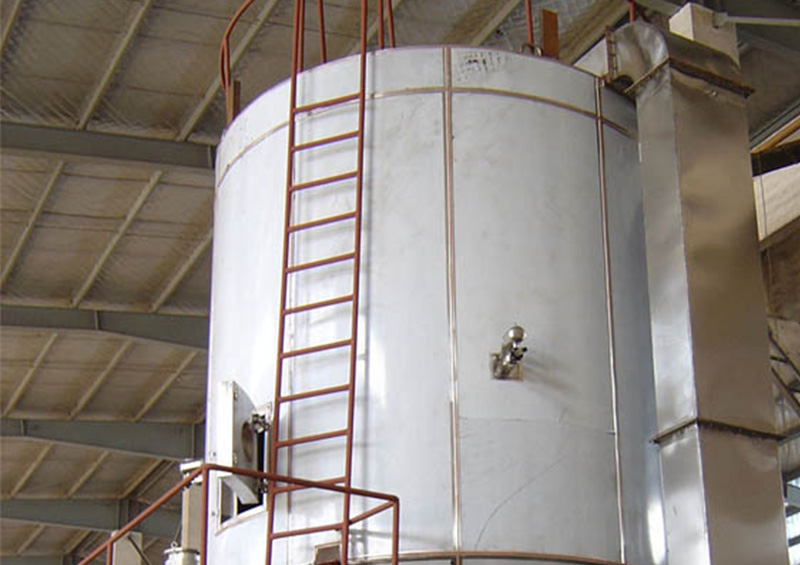
Spray drying is a process that converts a liquid feed into a dry powder by rapidly evaporating the moisture in a heated gas. In this method, the liquid is atomized into fine droplets, which are then exposed to hot air in a drying chamber. The moisture evaporates quickly, resulting in dry particles.
Key Differences Between Freeze Dryers and Spray Dryers
1. Process and Mechanism
Freeze Drying:
Freezing Phase: The product is first frozen, usually at temperatures below -40°C. This phase preserves the structure of sensitive materials.
Primary Drying Phase: The pressure is lowered, and heat is applied to enable sublimation, where ice turns directly into vapor without becoming liquid.
Secondary Drying Phase: This phase removes any remaining moisture, ensuring the product's stability.
Spray Drying:
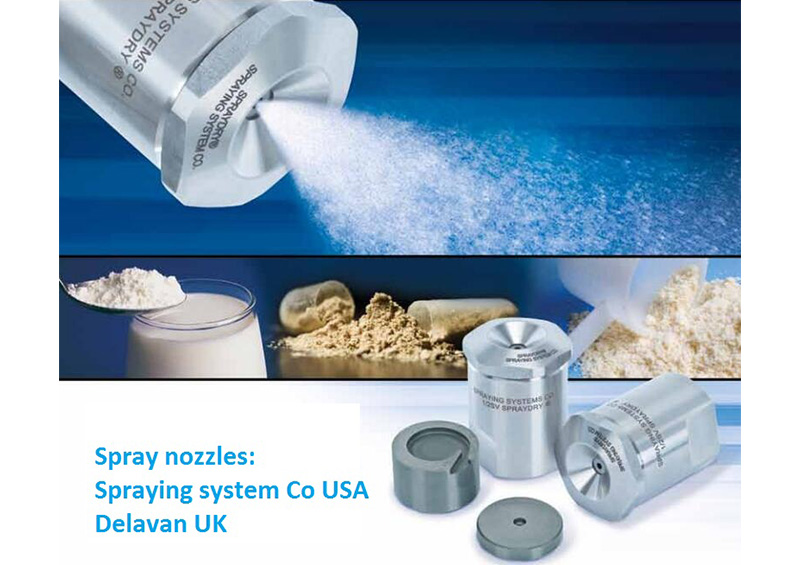
Atomization: The liquid feed is pumped through a nozzle, where it is atomized into tiny droplets.
Drying Phase: Hot air is introduced into the drying chamber, and the droplets quickly evaporate, resulting in dry particles. This process typically occurs at temperatures between 150°C and 300°C.
2. Temperature Sensitivity
Freeze Drying:
Operates at low temperatures, making it suitable for heat-sensitive materials such as pharmaceuticals, proteins, and certain foods. The low temperatures help maintain the integrity of the product.
Spray Drying:
Involves high temperatures, which can degrade sensitive compounds. While it is efficient for many products, it may not be suitable for heat-sensitive ingredients like some vitamins and probiotics.
3. Product Structure and Quality
Freeze Drying:
Preserves the original structure, flavor, and nutritional components of the product. It results in a light, porous structure that rehydrates well, making it ideal for high-quality applications.
Spray Drying:
Produces a fine powder that may require additional processing for rehydration. The rapid drying process can alter the product's flavor and nutritional profile, making it less suitable for high-quality applications.
4. Applications
Freeze Drying:
Commonly used in the food industry for fruits, vegetables, and ready-to-eat meals. It's also widely used in pharmaceuticals for vaccines, antibiotics, and biological samples, preserving their efficacy and stability.
Spray Drying:
Frequently used for dairy products (like milk powder), coffee, instant soups, and various chemicals. It is ideal for products that need to be converted into a powder form quickly and efficiently.
5. Equipment and Operational Costs
Freeze Drying:
Generally requires more complex and expensive equipment, including vacuum systems and refrigeration units. The operational costs can be higher due to longer processing times and energy consumption.
Spray Drying:
Equipment is typically less expensive and simpler, with lower operational costs. The process is faster, allowing for higher production rates, which can be advantageous for large-scale operations.
6. Moisture Content of Final Product
Freeze Drying:
Produces products with a very low moisture content (often less than 5%), which significantly extends shelf life without the need for preservatives.
Spray Drying:
Typically results in products with a slightly higher moisture content (around 5% to 15%), depending on the application. While this is still low enough for many products, it may require added preservatives for longer shelf life.
Advantages and Disadvantages
Freeze Drying
Advantages:
Maintains the quality, flavor, and nutritional value of sensitive products.
Results in a lightweight, easy-to-rehydrate product.
Extremely low moisture content enhances shelf life.
Disadvantages:
Higher equipment and operational costs.
Longer processing times compared to spray drying.
Requires specialized equipment and expertise.
Spray Drying
Advantages:
Faster processing times lead to higher production rates.
Lower capital and operational costs.
Simple and efficient for converting liquids to powders.
Disadvantages:
May alter the flavor and nutritional profile of sensitive materials.
High temperatures can degrade heat-sensitive compounds.
Final product may require additional processing for rehydration.
Both freeze drying and spray drying are essential technologies in the food, pharmaceutical, and material science industries. The choice between the two methods depends on the specific requirements of the product, including sensitivity to heat, desired quality, and economic considerations.
Freeze drying is ideal for high-quality applications where preserving structure and nutrients is critical, while spray drying is suitable for faster production of powders at lower costs. Understanding the differences between these drying methods enables manufacturers to select the most appropriate technique for their products, ensuring optimal quality and efficiency.