





What is a Spray Dryer Machine?
 May 06, 2025|
 View:3223
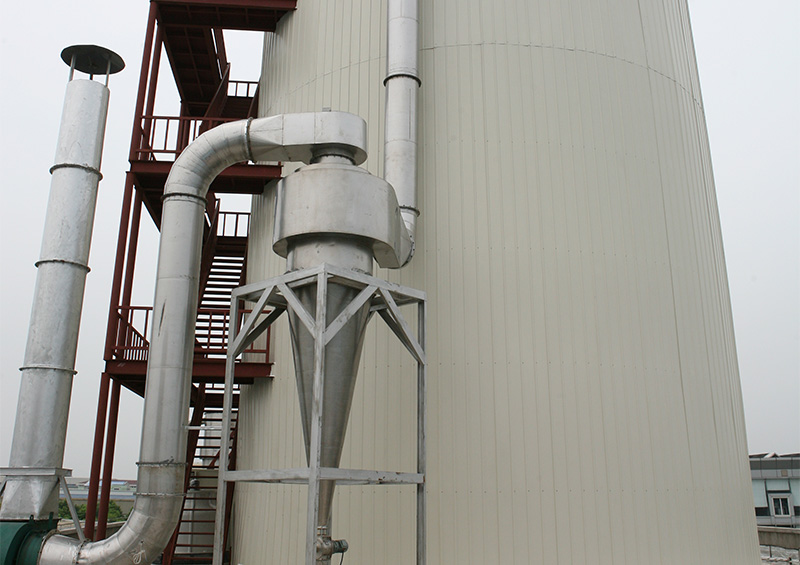
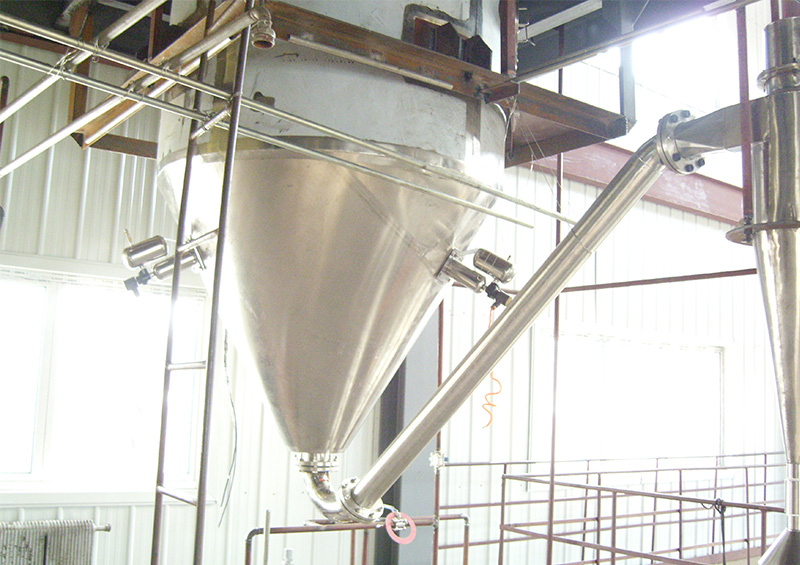
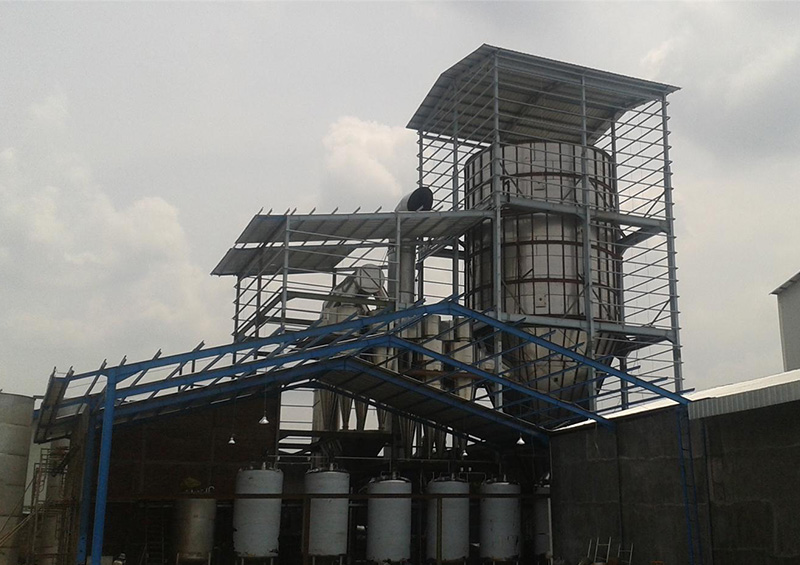
A spray dryer machine is an industrial equipment used to convert liquid solutions or suspensions into dry powder form. This spray drying technique is widely utilized in various industries, including food, pharmaceuticals, chemicals, and ceramics. The spray drying process involves the atomization of a liquid feed into fine droplets, which are then rapidly dried in a hot gas stream. This method is particularly advantageous for materials that are heat-sensitive or require specific particle characteristics.
How Spray Dryer Machine Works
The spray drying process can be broken down into several key steps:
Preparation of Feed Solution: The first step involves preparing a liquid feed solution, which may include dissolved solids, emulsified liquids, or suspensions. The composition of the feed is crucial, as it determines the properties of the final product.
Atomization: The prepared feed is then pumped into an atomization device, which can be a rotary atomizer, pressure nozzle, or air-assisted nozzle. This device breaks the liquid into fine droplets, typically ranging from 10 to 500 microns in diameter.
Drying: The fine droplets are introduced into a drying chamber where they come into contact with heated air or gas. The hot air evaporates the moisture from the droplets, causing them to shrink and solidify into powder. The drying process is rapid, often occurring within seconds, which helps preserve the quality of heat-sensitive materials.
Separation: After drying, the powder is separated from the exhaust air using cyclones, filters, or bag houses. This step ensures that the final product is collected efficiently while minimizing product loss.
Packaging: Finally, the dried powder is packaged for storage or shipment. The packaging process may also include further quality control measures to ensure product consistency.
Advantages of Spray Drying Technique
Spray drying technique offers several significant advantages:
Rapid Drying: The process allows for quick moisture removal, which is essential for preserving the quality of sensitive materials.
Uniform Particle Size: Spray drying produces powders with consistent particle size and distribution, which is critical for applications such as pharmaceuticals and food products.
Versatility: This spray dryer technique can be used for a wide range of materials, including heat-sensitive compounds, emulsions, and suspensions.
Scalability: Spray dryer machines can be designed for small laboratory-scale operations or large industrial production, making them adaptable to different production needs.
Minimal Waste: The closed-loop system often employed in spray drying technique minimizes waste and enhances energy efficiency.

Applications of Spray Drying Technique
Spray dryer machines are employed in various industries for a multitude of applications:
Food Industry: In the food sector, spray drying is used to produce instant coffee, powdered milk, fruit powders, and seasoning blends. The process helps retain flavor and nutritional value while providing a shelf-stable product.
Pharmaceuticals: The pharmaceutical industry utilizes spray drying technique to create fine powders for inhalation therapies, as well as to ensure the stability of active pharmaceutical ingredients (APIs). This method is crucial for the production of controlled-release formulations.
Chemicals: Spray dryer machines are used to manufacture catalysts, pigments, and specialty chemicals. The ability to control particle size and morphology is particularly important in these applications.
Ceramics: In ceramics manufacturing, spray drying is employed to produce uniform granules for shaping and firing, which aids in achieving desirable physical properties in the final product.
Considerations in Spray Drying Technique
While spray drying technique offers many benefits, several factors must be considered to optimize the process:
Feed Properties: The viscosity, density, and thermal stability of the feed solution can significantly influence the atomization and drying efficiency.
Operating Conditions: Parameters such as inlet and outlet air temperatures, air flow rates, and droplet size must be carefully controlled to achieve the desired drying results.
Equipment Design: The choice of atomization technology and drying chamber design can impact the overall efficiency and product quality. Selecting the right equipment for specific applications is crucial.
Product Quality: Maintaining the desired characteristics of the final product, such as moisture content, solubility, and particle size, requires continuous monitoring and adjustment of the process.
In summary, spray dryer machines are essential tools in various industries for converting liquid materials into dry powders. Their ability to produce uniform, high-quality products quickly and efficiently makes them invaluable in food, pharmaceutical, chemical, and ceramic applications. Understanding the principles of spray drying technique, along with the advantages and considerations involved, can help manufacturers optimize their processes and enhance product quality. As technology advances, the capabilities of spray dryer machines continue to improve, further expanding their applications and significance in modern manufacturing.