





What is spray drying for food powder production?
 Jun 30, 2026|
 View:424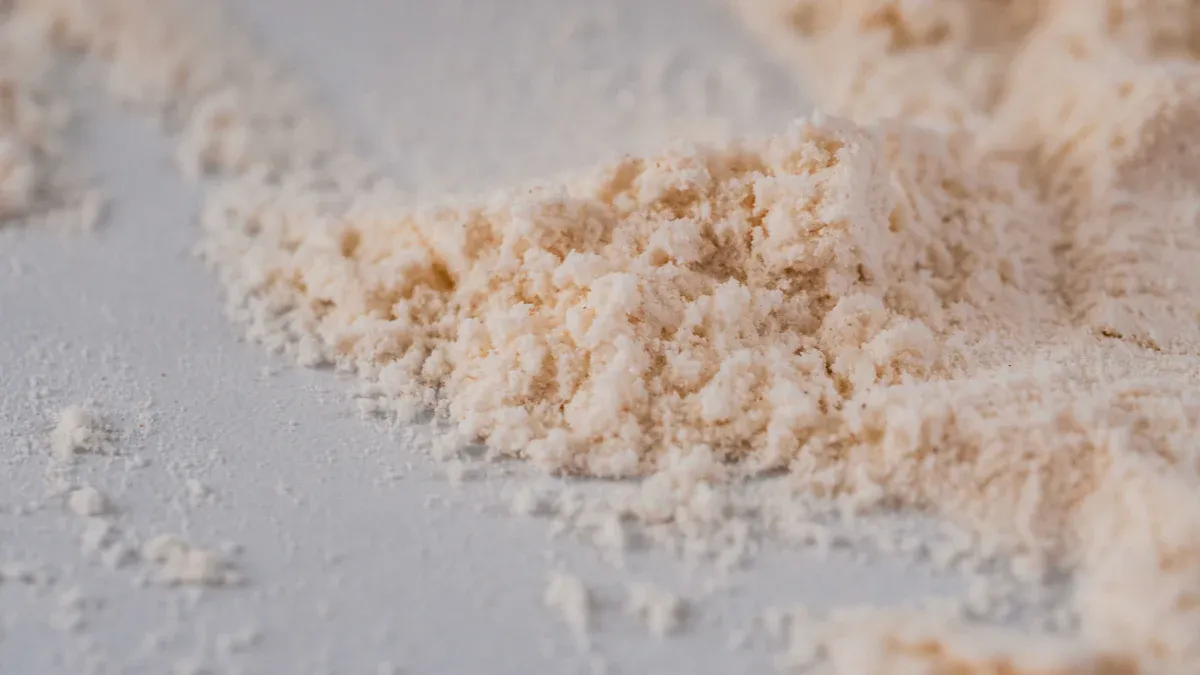
Spray drying is a way to change liquid food into powder fast. You spray the liquid into a hot room, and it dries right away. This helps keep the good nutrients and flavors in the food. Many food companies use spray drying because the powder is light and stays fresh longer. Spray dried powders are in snacks, drinks, and supplements because people want easy and healthy foods.
Key Takeaways
Spray drying changes liquid food into powder fast. It keeps the nutrients and flavors safe. This method makes production easier by using fewer steps. It also lets people control the size of the powder pieces. Spray drying helps keep food safe by taking out water. This stops the food from going bad. The process can be used for small or big amounts. It works for many types of production. People use spray drying for things like milk powder, instant coffee, and fruit powders. These foods are simple to store and use.
Why Use Spray Drying?
Key Benefits
Spray drying has many good points for making food powders. It changes a liquid into powder in just one step. This saves time and makes work easier. You do not need extra machines to dry or crush the food. It works for many foods like dairy, instant drinks, and even some medicines.
Spray drying lets you pick the size of each powder piece. You can change the atomizer, feed rate, and temperature to get what you want. This helps your powders flow well, so they are easy to pack, mix, and use.
Here is a table that shows why spray drying is better than other ways:
Advantage | Why it matters in production | Where it helps most |
|---|---|---|
Liquid-to-powder in one step | Cuts out extra processing steps | Food, dairy, chemicals, pharmaceuticals |
Controlled particle size | Lets you make powders with the right texture and flow | Instant powders, pigments, pharma |
Continuous production | Keeps your factory running smoothly and efficiently | Large-scale food and chemical plants |
Good powder flowability | Makes powders easy to handle and blend | Milk powder, instant mixes, detergents |
Short heat exposure time | Protects heat-sensitive nutrients and flavors | Flavors, enzymes, herbal extracts |
Product customization | Lets you adjust moisture, density, and solubility | R&D, specialty foods, new products |
Scalability | Easy to test and then scale up for big production | New product launches, exports |
Broad application range | Works with many types of liquids and mixtures | Food, pharma, ceramics, detergents |
Spray drying helps keep food safe and fresh. The process dries droplets fast, so they are not in hot air long. This keeps the surface cooler and saves important nutrients. You can use low heat or nitrogen to protect things that break down in heat. Microencapsulation wraps nutrients and flavors to keep them safe.
The small droplets dry quickly and keep nutrients and flavors inside.
The powder stays stable and dissolves easily in water.
You get powders with little moisture, so germs cannot grow.
The process lowers water activity, so food stays safe and fresh longer.
You get strong flavors and nutrients when you use the powder.
Spray drying helps food last longer and keeps its quality. This means foods can stay on the shelf longer.
Industry Preference
Many food companies use spray drying because it makes stable powders. These powders are easy to store and move. The process lowers moisture to less than 5%, so the powder stays fresh in storage and packaging. You can also mix these powders with other dry things without trouble.
Here is a table that shows how spray drying helps make good powder:
Mechanism | Effect on Food Powders |
|---|---|
Moisture Reduction | Low moisture keeps powders stable and fresh |
Particle Size Control | Right size helps powders flow and saves on packaging |
Encapsulation Techniques | Protects nutrients, helps powders dissolve, and keeps flavors strong |
Spray drying is important for keeping food safe and nutrients strong. The process can wrap sensitive nutrients so they do not break down from heat. Carrier agents in spray drying help protect nutrients and flavors. You get powders that dissolve well and last a long time.
Spray drying is a top way to make food powders. It gives you speed, good quality, and safety in one process.
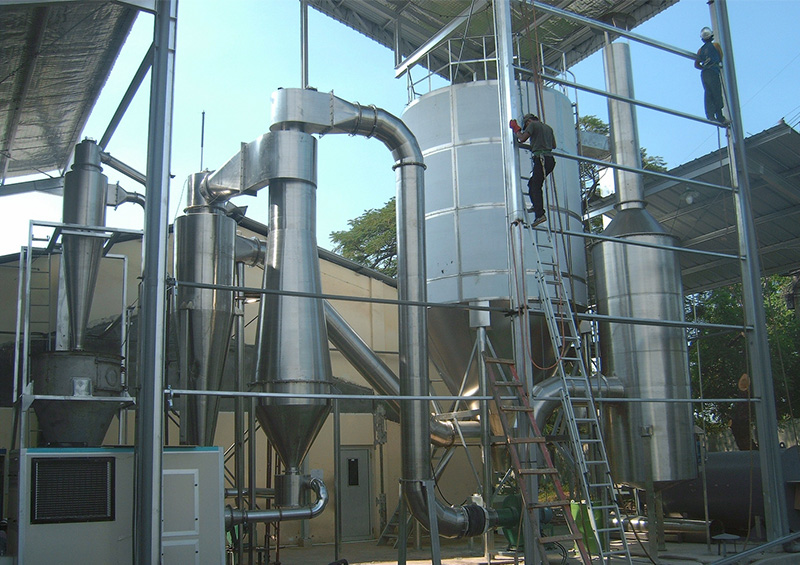
Spray Drying Process
Spray drying turns liquid food into powder using a series of steps. You can see how each part of the process helps you get high-quality food powders.
Atomization
Atomization is the first step in the drying process. You take your prepared food liquid and break it into tiny droplets. This step is important because the size of the droplets affects how fast and evenly they dry. You can use different atomization techniques, each with its own benefits.
Atomization Technique | Description | Applications |
|---|---|---|
Rotary Atomizers | Feed liquid onto a spinning disc to create droplets with a narrow size range. | Works with many types of liquids. |
Pressure Nozzles | Force liquid through a small hole at high pressure to make fine droplets. | Used for large-scale powder production. |
Two-Fluid Nozzles | Use compressed gas to break up the liquid into a fine spray. | Good for thick or sticky liquids. |
When you control the atomization step, you get uniform particle size. This helps with quality control and makes sure your powder mixes well and dissolves easily. Smaller droplets dry faster and keep nutrients safe. Larger droplets need more time in the drying process, but they can help with certain textures.
Tip: Adjusting the atomizer settings lets you customize the powder for your needs.
Drying Chamber
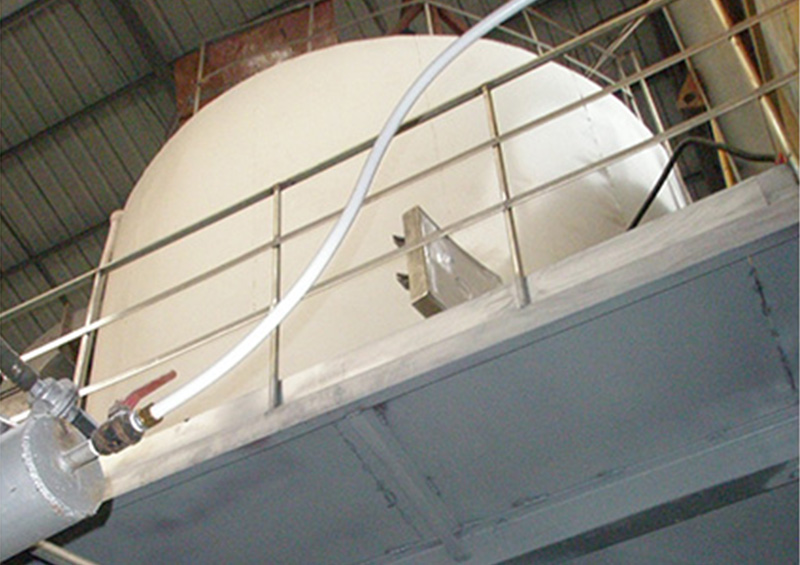
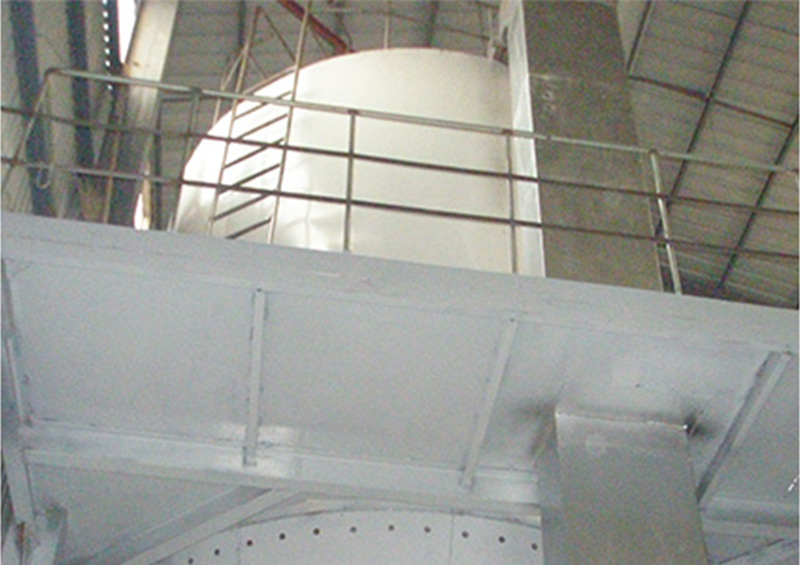
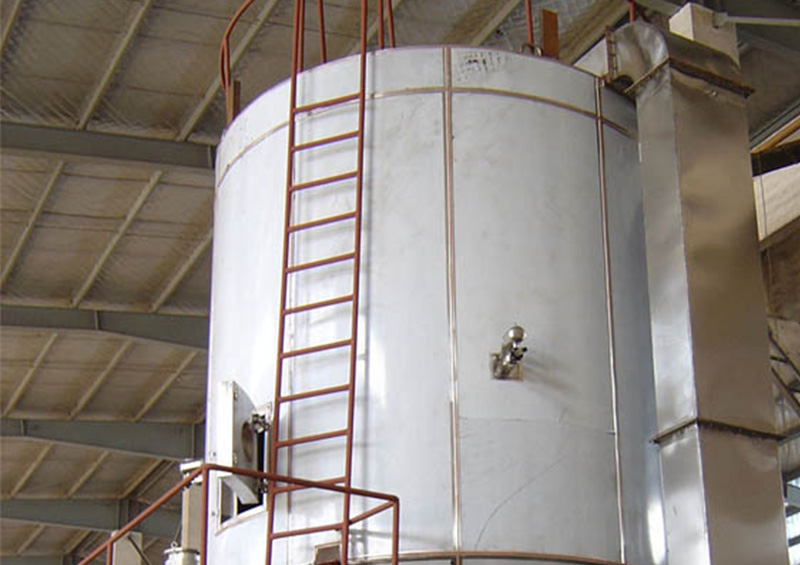
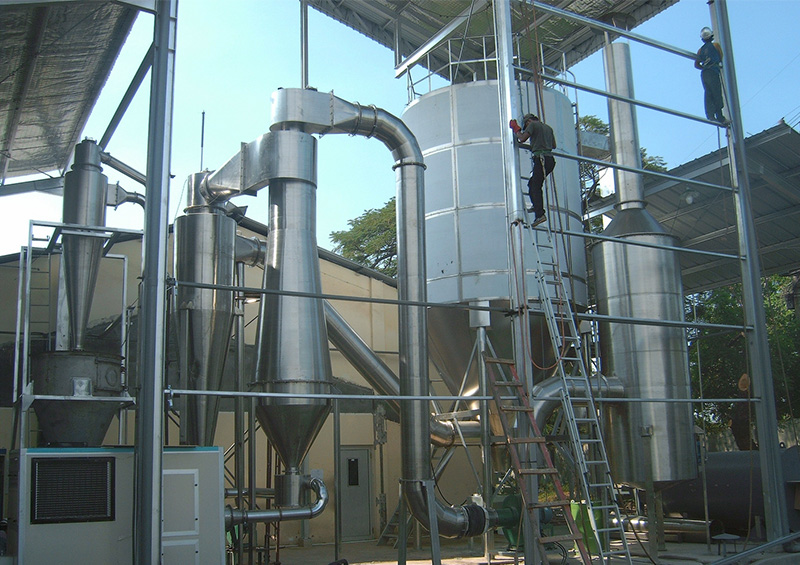
After atomization, the droplets enter the drying chamber. Here, hot air quickly removes moisture from the droplets. The drying process happens fast, so the food keeps its nutrients and flavor.
You can set the inlet temperature between 150–230°C and the outlet temperature between 88–121°C.
The airflow rate and feed concentration also affect how well the drying process works.
Efficient moisture removal keeps the powder dry, usually with less than 10% water left.
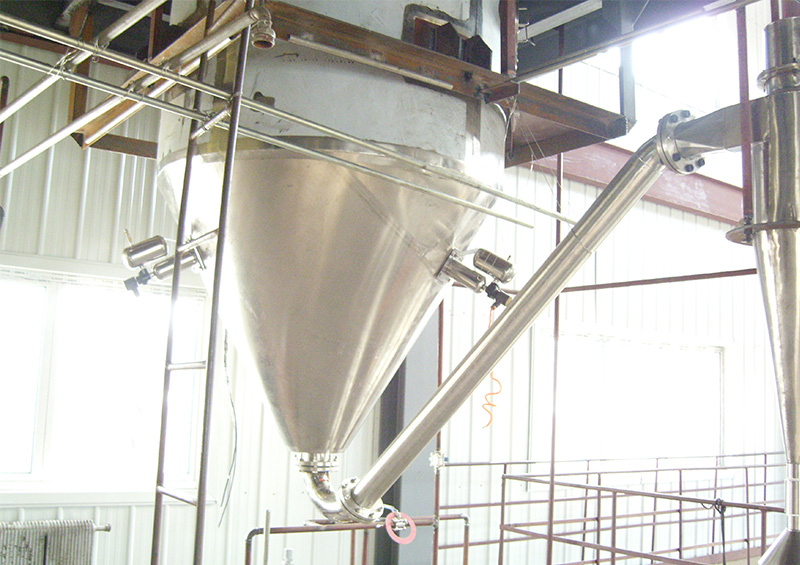
The design of the drying chamber matters. A good chamber keeps droplets in the air long enough to dry but not too long to overheat them. You can use special wall treatments to stop powder from sticking, which helps you collect more product. The right chamber size and shape improve drying efficiency and powder yield.
Note: Stable spray patterns and controlled chamber conditions help you get consistent results every time.
Powder Collection
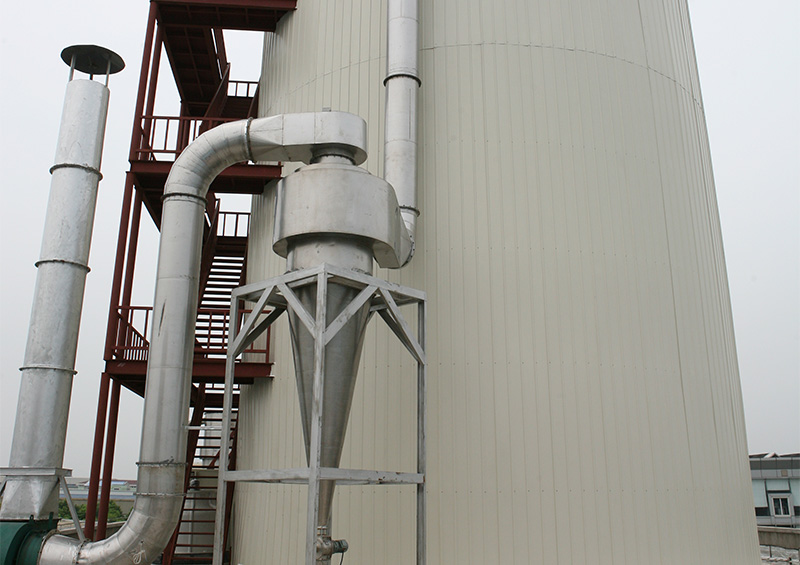
Once the droplets dry, you need to collect the powder. The drying process uses tools like cyclones, bag filters, or electrostatic collectors to separate the powder from the air.
Cyclones spin the air to pull out the powder.
Bag filters trap fine particles.
Electrostatic collectors use electric charges to catch even smaller bits.
Good powder collection keeps your product pure and helps you recover as much powder as possible. If you use the right collection method, your powder will flow well and stay free from clumps. This step is key for keeping your food powder safe and easy to use.
Step-by-Step Overview
Here is a simple list of the spray drying process:
Prepare your food liquid by filtering and concentrating it.
Atomize the liquid into tiny droplets.
Dry the droplets in a chamber with hot air.
Collect the dry powder using cyclones or filters.
Cool and package the powder to keep it fresh.
Scalability and Process Control
Spray drying works for both small and large batches. You can run the drying process continuously, which means you keep making powder without stopping. Modern systems let you monitor and adjust settings in real time. This helps you keep the powder quality high and the process energy efficient.
You can make as little as 10 kg per hour or as much as 10,000 kg per hour.
Continuous operation saves time and labor.
Real-time monitoring helps you spot problems and fix them fast.
Remember: Good process control means you get the same high-quality powder every time, no matter how much you make.
Applications in Food Industry
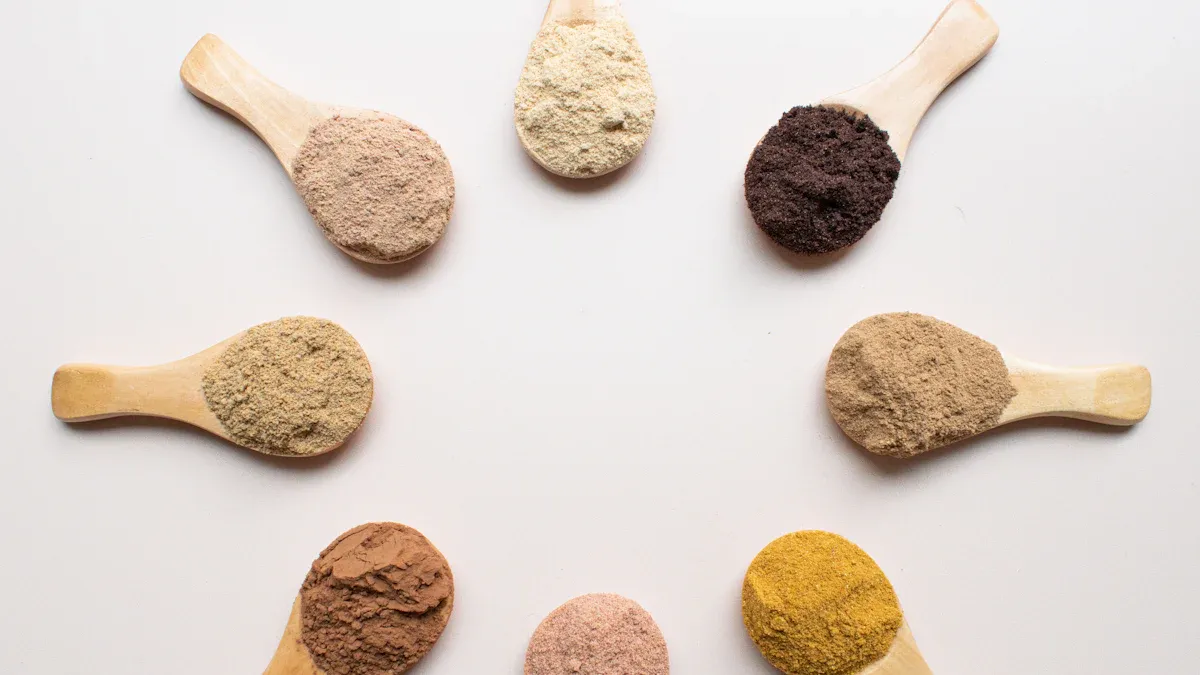
Common Food Powders
Spray drying is used for many foods you know. This method turns liquids into dry powder. The powder is easy to keep and use. Here are some foods made this way:
Whey and protein powders
Cheese powders
Plant-based alternatives
Instant coffee and tea
Non-dairy creamer
Glucose and maltose powders
Fruit and vegetable powders
These powders mix fast with water and keep nutrients. You find them in drinks, snacks, and baby formula.
Industry Examples
Spray drying helps many food companies. The table shows how different foods use this process:
Industry Category | Product Examples | Benefits |
|---|---|---|
Dairy Industry | Milk powder, whey protein, yogurt powder | Lasts long, high protein, keeps probiotics safe |
Beverage Industry | Instant coffee, fruit juice powder, cocoa powder | Strong taste, smooth feel |
Snack & Convenience Foods | Vegetable/fruit powders, seasoning powders | Keeps nutrients, easy to mix |
Functional & Specialty Foods | Probiotic powders, infant formula, plant protein | Safe, mixes well, meets health rules |
Spray drying makes foods last longer and taste good. People want these powders for different reasons in each place. In North America and Europe, people want healthy and simple foods. In Asia-Pacific, more people want easy and healthy foods.
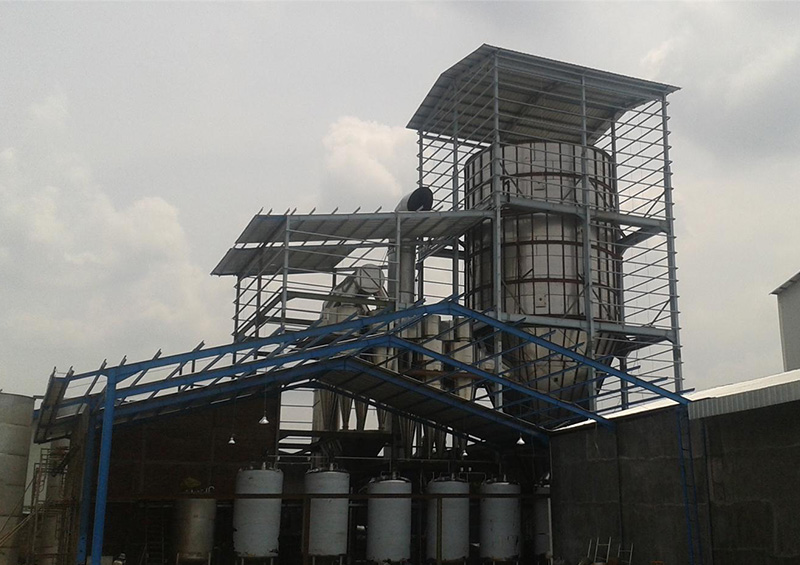
Changzhou Jinqiao Spray Drying and Engineering Co., Ltd. is a leader in spray drying. They make machines for instant coffee, milk powder, tea, and more. Their machines use safe stainless steel and follow strict rules. This keeps your food clean and safe.
Modern machines use smart controls. You can check and change the process as it happens. This gives you the same good powder every time and saves energy. The company also helps you set up and fix your machines, so they work well.
You can trust these new machines to help you make safe and good food powders for any market.
Spray drying is a smart way to make powders from liquids. It helps keep food safe and high quality. New machines use closed-loop designs and stainless steel. These features protect your food during the process.
Safety Feature | How It Helps You |
|---|---|
Closed-loop inert gas system | Keeps production safe |
SS316L stainless steel chambers | Ensures clean, uniform powder |
Low-temperature drying | Preserves sensitive nutrients |
Modern spray drying saves energy and works fast. It makes the same good powder every time. You can use natural ingredients and make new products for different markets.
Energy-saving machines help you spend less money.
Fast work means you can make more powder.
Good quality makes your customers happy.
You can change the powder for new ideas.
FAQ
What foods can you make with spray drying?
You can make milk powder, instant coffee, tea, fruit powders, and non-dairy creamer. Many snacks and drink mixes use spray-dried powders. This method helps you keep the food fresh and easy to use.
Is spray-dried powder safe to eat?
Yes, spray-dried powders are safe. The process uses food-grade materials and follows strict hygiene rules. You get clean, safe powders for your meals and drinks.
How do you store spray-dried powders?
Store your powders in a cool, dry place. Keep them in sealed containers. This stops moisture and germs from getting in. Your powders will stay fresh longer.
Why do companies choose spray drying?
Companies choose spray drying because it makes powders fast and keeps nutrients strong. The powders mix well with water and last a long time. This helps you get high-quality products every time.