





How is Instant Coffee Powder Made?
 Jul 13, 2026|
 View:486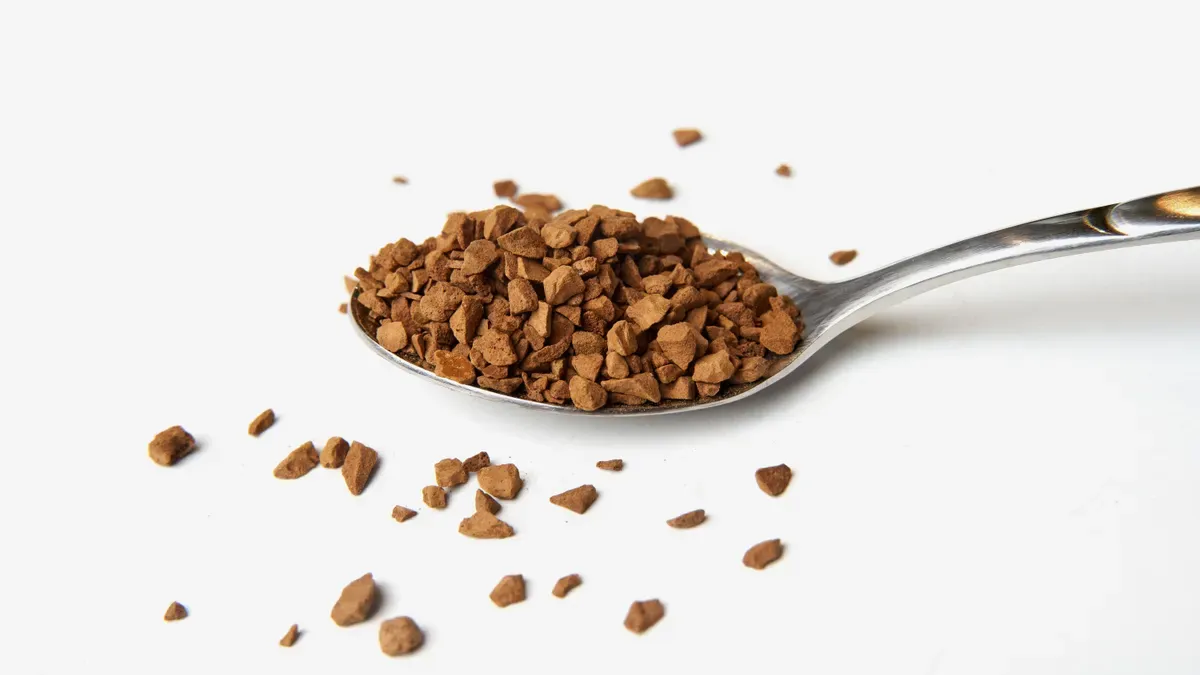
You watch coffee beans turn into instant coffee powder step by step. First, you pick good beans. Next, you roast them to get flavor and smell. Extraction takes the best parts from the roasted beans. Aroma recovery saves the gentle scents. Concentration makes the coffee taste stronger. Drying, by spray or freeze, changes the liquid to powder. Agglomeration shapes the powder so it is easy to use. Packaging keeps the coffee fresh. Modern instant coffee uses new ideas like microencapsulation and gentle drying to keep flavor and smell safe. These steps make instant coffee not the same as regular coffee.
Key Takeaways
Picking good coffee beans is important for tasty instant coffee. Choose beans that are fresh and look the same. Make sure there are no bad beans.
Roasting coffee beans makes them taste and smell better. Watch the roasting so the beans do not burn. This keeps the coffee’s special flavor.
Drying methods like spray drying and freeze drying change the taste and smell. Freeze drying keeps more flavor. Spray drying is quicker and costs less.
Agglomeration makes instant coffee powder feel nicer. It helps the powder mix well in water. This makes drinking coffee better.
Good packaging keeps instant coffee fresh. Use containers that close tightly. Store instant coffee in a cool, dry place to keep it good longer.
Instant Coffee Production: From Bean to Powder
Bean Selection & Pretreatment
You begin by picking the right coffee beans. This choice affects how your instant coffee will taste. Companies like Changzhou Jinqiao pick only top-quality beans. They want beans that are fresh and all look the same. Beans should not have any bad spots. The table below lists what to look for when choosing beans for instant coffee powder:
Criteria | Description |
|---|---|
Coffee Species | Primarily Coffea arabica and Coffea canephora (Robusta) |
Quality Grades | Selected based on screen size (e.g., screen 16-18 for premium lots) |
Defect Rates | Low defect rates are essential for ensuring consistent flavor extraction |
You take out beans that are moldy, broken, or smell bad. Machines with screens and air help sort out the bad beans. This careful step makes sure only good beans are used next. Picking the best beans helps make your coffee taste great.
Roasting for Flavor
Roasting brings out the special flavors in the beans. You roast green beans to make them taste bold. Roasting is important because it changes the beans and gives instant coffee its taste. You must watch the roasting so beans do not burn or lose their smell.
Here is what happens during roasting:
Roast green beans to get flavor and aroma.
Use water and pressure to pull out strong coffee liquid.
Make the liquid stronger by taking out water.
Dry the liquid with hot air or freezing to get powder.
Pack the powder to keep the smell inside.
Roasting changes how much flavor and smell stay in the coffee. Freeze drying later helps keep more of the gentle smells. This is because it uses cold instead of heat. Careful roasting helps your instant coffee taste fresh and strong.
Extraction & Aroma Recovery
After roasting, you move to the extraction step. Hot water and pressure pull out the best parts from the beans. This makes a thick coffee liquid. How you do this step changes the taste and smell of your instant coffee powder.
You can see how drying and keeping aroma are different in the table below:
Factor | Spray Drying | Freeze Drying |
|---|---|---|
Process | Atomizes concentrate into hot air; dehydrates in seconds | Freezes concentrate; removes water by sublimation under vacuum |
Aroma retention | Lower heat damages volatiles | Higher - cold preserves aromatics |
Best application | Standard instant coffee, RTD bases | Premium instant coffee, gourmet specialty products |
During extraction, you use special machines to save the coffee smell. Changzhou Jinqiao uses these aroma recovery machines. They catch the gentle smells that might be lost. You add these smells back into the coffee liquid. This step helps your instant coffee keep its rich smell.
By working hard at each step—bean picking, roasting, and saving aroma—you help keep the taste and smell that make instant coffee powder special.
Methods of Instant Coffee Production: Drying Techniques
Drying is an important step in making instant coffee. It changes liquid coffee into powder. There are two main ways to dry coffee. These are spray drying and freeze drying. Each method affects how the coffee tastes and smells.
Spray Drying Process
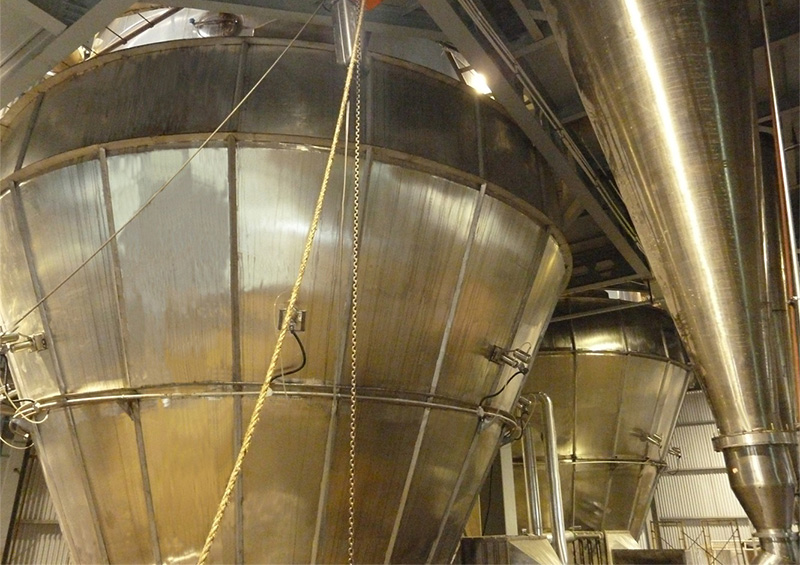
Spray drying is a quick way to make instant coffee. It is used when factories need to make a lot of powder fast. Here is how spray drying happens:
Brew coffee with roasted beans.
Make the coffee extract thicker by removing water.
Put the thick liquid into a spray dryer.
Spray tiny drops into hot air with an atomizer.
The drops dry almost right away and become powder.
Collect, cool, and pack the powder.
The powder mixes well with water. Spray drying saves money and can make lots of coffee. Hot air is used, but it can change the taste and smell. Changzhou Jinqiao uses special spray drying machines. These machines collect almost all the powder, up to 99.7%. This means less coffee is wasted. New ideas like microencapsulation and low-temperature drying help keep the smell and taste safe. Digital twin technology and AI help make the process better.
Tip: Spray drying is best for regular instant coffee and drinks you can buy ready-made.
Here is a table that shows how spray drying and freeze drying compare:
Method | Efficiency Characteristics | Advantages | Disadvantages |
|---|---|---|---|
Spray Drying | Fast, good for making lots of powder. | Saves money. Powder mixes well with water. | Hot air can change taste and smell. Powder may taste cooked. |
Freeze Drying | Slower and costs more. | Keeps flavor and smell better. Granules look nice. | Costs more to buy. |
Spray drying makes small, even powder pieces. The powder mixes easily in drinks. The process is fast and works well in big factories.
Freeze Drying Process
Freeze drying is another way to make instant coffee. It is used when you want to keep the real taste and smell. Here is how freeze drying works:
Freeze the coffee concentrate.
Put it in a vacuum.
Take out water by turning ice into vapor.
Collect the dry coffee granules.
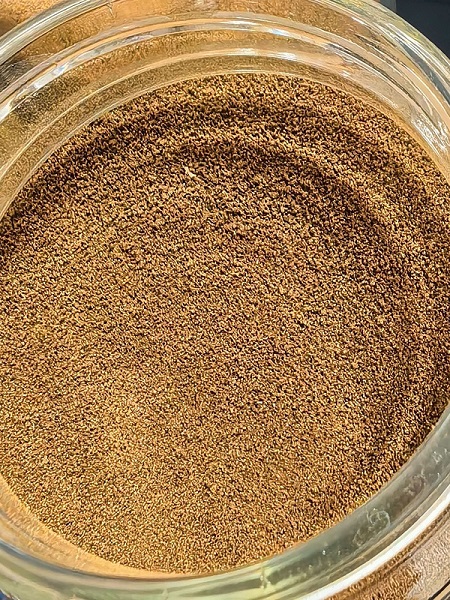
Freeze drying does not use heat. This keeps the gentle flavors safe. Each granule holds the smell of fresh coffee. When you add water, you get a richer taste.
Note: Freeze drying is best for fancy instant coffee and special products.
Here is a table that shows how drying methods affect quality and mixing:
Drying Method | Advantages | Limitations | Impact on Quality and Solubility |
|---|---|---|---|
Spray Drying | Saves money, fast, makes even powder. | Heat can hurt some flavors. | Powder mixes well in drinks. |
Freeze Drying | Keeps nutrients and shape very well. Good for gentle flavors. | Costs more and takes longer than spray drying. | Keeps flavors strong, but powder may clump in water. |
Freeze drying keeps the best parts of brewed coffee. Water is removed without heat, so flavors stay strong. Spray drying uses heat, which can change the taste. Freeze dried coffee smells more like fresh coffee. You notice a stronger smell and taste.
Changzhou Jinqiao uses modern freeze drying machines. These machines protect the smell and taste. You get instant coffee powder that looks good and tastes great.
When picking between spray drying and freeze drying, think about what you want. Spray drying is fast and saves money. Freeze drying gives you better taste and smell. Both ways help you enjoy instant coffee in different styles.
Separation, Concentration & Agglomeration in Instant Coffee Powder
Separation & Concentration Steps
You want your instant coffee to taste smooth and clean. After extraction, you must get rid of leftover grounds and oils. Factories use machines that spin very fast. These machines separate the good coffee liquid from bad stuff. The table below shows the main ways to separate coffee:
Separation Technique | Description |
|---|---|
Disc Separators | These are fast centrifuges. They remove heavy particles and impurities. This makes coffee clearer and gives more yield. |
Decanter Centrifuges | These separate solids from thick coffee extracts. They remove grounds and oils. This improves quality and increases yield. |
After this step, you have clear coffee extract. Next, you make the coffee taste stronger by concentrating it. You take out extra water from the extract. This makes the flavor and smell better. Concentrating also helps the powder dissolve quickly in water. Your drink tastes smoother and is less bitter.
Tip: Concentration is important for a bold cup of instant coffee.
Agglomeration for Texture
Agglomeration changes how instant coffee looks and feels. You start with fine powder. Agglomeration turns it into bigger, round granules. This happens when you use steam, heat, and motion. Small particles stick together and form larger pieces.
This step makes your coffee dissolve faster and more evenly. You do not see clumps or floating bits. The texture feels smooth and the coffee tastes better. Agglomeration also makes the powder pour easily from the jar or packet.
Instant coffee made this way gives you a better mouthfeel. The process keeps flavor and quality high. It makes instant coffee powder easy and nice for everyone.
Packaging & Innovations in Instant Coffee
Packaging for Freshness
You want your instant coffee to taste good for a long time. Packaging is important because it keeps the flavor and smell safe. Jars and tins have tight seals that keep out air. Air has oxygen, which can hurt the oils in coffee. Many companies use nitrogen flushing before closing the package. This means they put nitrogen gas inside instead of oxygen. Nitrogen helps protect the coffee and makes it last longer. Some brands use vacuum packaging and special wraps that block light. These ways stop water and light from making coffee lose its taste.
Here is a table that shows common packaging methods and how they help:
Packaging Method | Description |
|---|---|
Vacuum Packaging | Removes air and moisture, preserving freshness effectively. |
One-way Exhaust Valve | Lets carbon dioxide escape but keeps air out, so coffee stays fresh. |
Nitrogen Flushing | Replaces oxygen with nitrogen before sealing, preventing oxidation and deterioration. |
Light-proof Sealing | Uses special film to block light, stopping coffee from breaking down. |
Aluminum Foil | Blocks moisture and oxygen, making shelf life longer when combined with vacuum sealing. |
You might see kraft paper and aluminum foil used together. These materials keep out water and light. If you put instant coffee in a dark, tight container at room temperature, it stays fresh for a long time. Instant coffee lasts longer than regular coffee because it has less water and better packaging.
Tip: Keep your instant coffee in a cool, dry place for the best taste.
Automation & Technological Advances
Modern factories use machines to make instant coffee faster and safer. There are big storage silos for green coffee beans. These silos control the air so beans do not get wet. Roasted coffee is kept with special gas to stop it from going bad. Labs check the smell and water in the coffee with special tools. Clean rooms are used for packing to keep everything safe and clean.
Here is a table showing some automation technologies:
Automation Technology | Function |
|---|---|
Green coffee storage silos | Climate control keeps beans dry and fresh. |
Roasted coffee storage | Inert gas flushing stops oxidation. |
Quality control laboratory | Uses aroma profiling and moisture analyzers. |
Clean room packaging areas | Keeps packaging hygienic and safe. |
Nitrogen generation | Provides modified atmosphere packaging for longer shelf life. |
Material handling systems | Moves coffee efficiently with conveyors and elevators. |
You also see machines that fill and seal capsules for single cups. Some machines pack coffee in bags. Others measure the coffee and fill small packets very fast. Changzhou Jinqiao uses these machines and has many patents. Automation helps you get instant coffee that tastes good and stays fresh.
How is Instant Coffee Made: Summary of the Process
Key Steps Recap
You may ask how instant coffee is made from start to finish. The process uses new machines to turn coffee beans into powder you can use fast. Here are the main steps for making instant coffee:
Roasting & Grinding: First, you pick good coffee beans. You roast them at high heat to get flavor. Then, you grind the beans into a fine powder.
Extraction & Concentration: Next, you brew the ground coffee with hot water. This step gets the taste and smell out. You remove extra water to make the flavor stronger.
Drying: You dry the strong coffee using spray drying or freeze drying. Spray drying uses hot air to make powder fast. Freeze drying uses cold to keep more flavor.
Agglomeration: You make the fine powder into bigger pieces. This helps it mix better in water.
Packaging: You put the instant coffee powder in sealed containers. This keeps it fresh and ready to use.
Process Stage | Instant Coffee Production | Regular Ground Coffee Production |
|---|---|---|
Roasting | Beans roasted for flavor | Beans roasted for flavor |
Grinding | Beans ground after roasting | Beans ground after roasting |
Extraction | Brewed to make concentrated coffee liquor | Brewed to make regular coffee |
Drying | Dried into powder or granules | Not dried; used as ground coffee |
What Makes Instant Coffee Unique
Instant coffee is special for many reasons. You get a drink that is easy to make and quick to use. Here are some ways instant coffee is different from other kinds:
Unique Quality | Description |
|---|---|
Long Shelf Life | You can keep instant coffee for months and it still tastes good. |
Portability | You can take it anywhere, even in small packets. |
Consistency | You get the same taste every time you make a cup. |
Low Maintenance | You do not need filters or machines, just add water. |
Variety | You can pick from many flavors and types. |
Instant coffee is easy to make, costs less, and lasts longer, so it is great for busy people or anyone who wants simple coffee.
You do not need any special tools to make instant coffee. Just add hot water, stir, and drink. This makes it good for travel, work, or when you want coffee fast. Making instant coffee powder gives you a drink that is both easy and tasty.
You now know how instant coffee is made, from picking beans to drying and packing. New machines help keep the flavor and smell better. Instant coffee powder can last a very long time, even up to 20 years. Many people like instant coffee because it is fast and simple to make. When you learn how it is made, you can enjoy your cup even more.
FAQ
How do you make instant coffee at home?
You add one or two teaspoons of instant coffee powder to a cup. Pour hot water over the powder. Stir well. Add sugar or milk if you like. Your coffee is ready in seconds.
Does instant coffee have less caffeine than regular coffee?
Instant coffee usually has less caffeine than brewed coffee. One cup of instant coffee gives you about 60–80 mg of caffeine. Regular coffee often has 80–120 mg per cup.
Can you use instant coffee in baking or cooking?
Yes! You can add instant coffee powder to cakes, cookies, or sauces. It mixes easily and gives a rich coffee flavor. You do not need to brew it first.
How long does instant coffee powder stay fresh?
If you keep instant coffee in a sealed container, it stays fresh for months or even years. Store it in a cool, dry place. Avoid moisture and light for the best taste.