





What Is Milk Powder Production Machinery and How Does It Work
 Feb 24, 2026|
 View:1155
You use milk powder production machinery to turn fresh milk into a long-lasting powder. This equipment removes water from milk so you can store and transport it easily. When you use this machinery, you rely on a careful process that changes liquid milk into a fine powder. Milk powder production machinery plays a key role in meeting the world’s need for milk products. The global market for these machines reached USD 38.5 Billion in 2025 and could grow to USD 61.3 Billion by 2034. This growth comes from more people, bigger cities, and a focus on health. When you understand how the process works, you make better choices about milk quality and safety.
The global milk powder market size was USD 38.5 Billion in 2025.
It is projected to reach USD 61.3 Billion by 2034.
The market is expected to grow at a CAGR of 5.15% from 2026 to 2034.
Key Takeaways
Milk powder production machinery changes fresh milk into powder. It does this by taking out water. This makes it easier to store and move the milk.
The world market for milk powder machinery is growing fast. Experts think it will reach USD 61.3 billion by 2034. This is because more people want milk products.
Every step in making milk powder needs special machines. These steps go from pasteurization to packaging. The machines help keep the milk safe and good.
Using new technology in milk powder production helps a lot. It can make work faster and use less energy. It also keeps the product quality the same.
Machines need regular care and checks. This stops problems during production. It also keeps the milk powder safe.
Milk Powder Production Machinery Overview
Machinery Definition
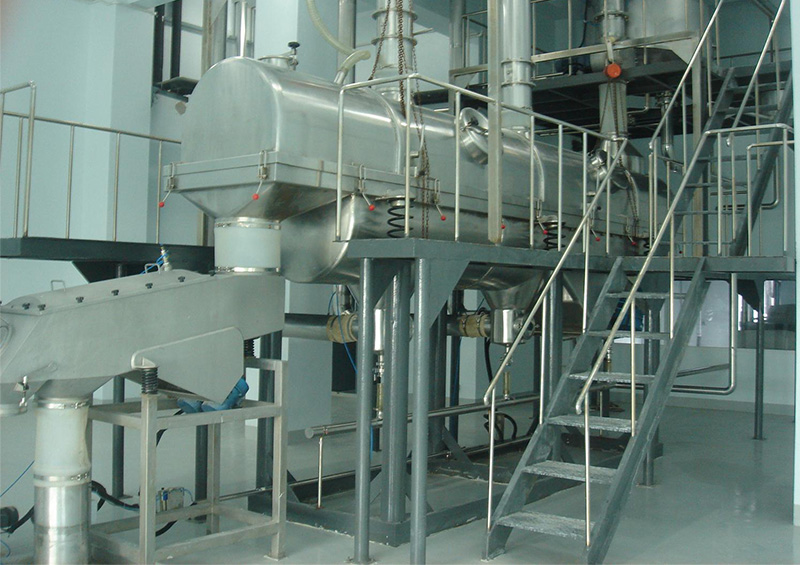
Milk powder production machinery turns fresh milk into dry powder. These machines work together to take water out of milk. Each machine does a different job in the process. The machines help keep milk safe and healthy. They also make milk easy to store. Factories use these machines to make milk powder that lasts longer. The machines help send milk products to far places. You find these machines in big factories where lots of milk powder is made.
Main Functions
You need to know what each milk powder machine does. Every step uses a different machine to change milk into powder. The table below shows the steps and what happens at each one:
Step | Description |
|---|---|
Raw Milk Reception | The factory gets raw milk and checks if it is fresh. Workers test for germs and other problems. |
Standardization | Machines change the fat in milk to match what is needed. This keeps the milk powder the same every time. |
Pasteurization | The milk is heated to kill bad bacteria. This makes milk safer and helps it last longer. |
Homogenization | Machines break up fat so it mixes well. This makes the powder smooth and easy to use. |
Evaporation | Water is taken out to make the milk thicker. The milk still keeps its nutrients. |
Spray Drying | The thick milk is turned into powder fast by removing moisture. |
Packaging | The powder is packed so it stays clean and lasts longer. |
Factories use special equipment to keep milk powder safe and good. Sensors check moisture, fat, and protein all the time. These sensors help workers fix problems quickly. They do not have to stop and test by hand. This technology helps factories follow strict rules for safety and quality.
Tip: You can make milk powder safer by using more machines to check for problems. Many companies use over 200 machines to test for things like pesticides, nutrition, and milk quality. They also check for risks like plasticizers and antibiotics, especially in baby milk powder.
Milk powder production machinery does more than dry milk. It controls every step, from getting the milk to packing it. Using the right machine at each step keeps milk powder safe, healthy, and long-lasting.
Milk Powder Production Process Steps
You follow steps to turn fresh milk into powder. Each step uses special machines. These machines help keep milk safe and healthy. You can see how each step changes the milk. Each stage gets milk ready for the next one.
Pasteurization & Homogenization
Pasteurization and homogenization are the first main steps. You use a milk heat exchanger and holding tube to pasteurize milk. The booster pump helps move milk through the machines. These machines heat milk to kill bad bacteria. You can pick from two ways. High Temperature Short Time heats milk to 72°C for 15 seconds. Ultra High Temperature heats milk to 138°C for 2 seconds. Both ways make milk safe for the next step.
Homogenization comes after pasteurization. You use a homogenizer to break up fat in milk. This stops cream from separating. The machine uses high pressure, between 1450 and 3625 psi. You get smooth milk for making milk powder.
Stage | Machinery/Equipment Used | Purpose |
|---|---|---|
Pasteurization | Milk heat exchanger, holding tube, booster pump, temperature transmitter | To heat-treat milk to kill pathogens and ensure safety. |
Homogenization | Homogenizer (total or partial) | To finely distribute fat globules in milk to prevent cream separation. |
Note: You must watch temperature and pressure closely. Too much heat can destroy nutrients in milk.
Evaporation Stage
After pasteurization and homogenization, you go to evaporation. You use a milk drying machine called an evaporator to take water out of milk. You can use different types:
Falling Film Evaporator
Rising Film Evaporator
Plate Evaporator
Multiple Effect Evaporator (MEE)
These machines use vacuum evaporation to make milk thicker. You remove more than 85% of water in this step. The milk drying machine turns liquid milk into thick milk. This step gets milk ready for drying.
Tip: Keep the milk drying machine clean. Dirt can ruin the milk powder.
Spray Drying
Spray drying is a key step in making milk powder. You use a milk spray dryer to turn thick milk into powder. The milk spray dryer makes tiny droplets from thick milk. You can use pressure nozzles or rotary atomizers. The droplets mix with hot air inside the milk spray dryer. Water leaves the droplets fast. The milk spray dryer separates dry powder from air using cyclones or bag filters.
You must control air temperature in the milk spray dryer. The inlet air temperature is 180 to 200°C. The outlet air temperature is 80 to 100°C. If you set the right temperatures, you get powder with good moisture and texture.
The milk spray dryer makes fine droplets from thick milk.
The droplets meet hot air and dry quickly.
The milk spray dryer collects dry powder with cyclones or bag filters.
Stage | Impact on Quality |
|---|---|
Drying Chamber Operation | Air flow and temperature control moisture and powder quality. |
Powder Collection | Good separation keeps powder flowing and reduces losses. |
Feed Viscosity | Affects droplet shape and powder structure. |
Temperature Control | Changes drying speed and can destroy nutrients if too high. |
Atomization Parameters | Controls droplet size and powder shape. |
Callout: Use the milk spray dryer carefully. Wrong temperature can burn milk or make powder that does not dissolve well.
Packaging
Packaging is the last step in making milk powder. You use a milk drying machine to cool and separate powder before packaging. Special packaging machines keep milk powder safe. These machines include controlled atmosphere packaging, vacuum packaging, and modified atmosphere packaging. Advanced control systems check temperature, humidity, and pressure.
Type of Packaging Machinery | Function in Ensuring Product Safety |
|---|---|
Controlled Atmosphere Packaging (CAP) | Uses gases to keep milk powder fresh. |
Vacuum Packaging | Removes air to stop germs from growing. |
Modified Atmosphere Packaging (MAP) | Changes gas to stop spoilage. |
Advanced Control Systems | Checks temperature, humidity, and pressure. |
Hygiene Standards | Uses food-safe materials to stop contamination. |
Cleaning Systems | Cleans machines to keep them safe. |
Leak Detection Systems | Finds leaks to keep powder safe. |
You can pick from different packaging materials:
Packaging Material | Barrier Properties |
|---|---|
Metal Cans | Strong, keeps out moisture, seals well, good for transport. |
Flexible Plastic Bags | Easy to seal, used a lot for packaging. |
Laminated Foil Pouches | Safe, keeps out moisture and air, blocks sunlight. |
HDPE Containers | Safe and strong, used for powder packaging. |
Polycarbonate Options | Safe, strong, keeps powder safe. |
Environmentally Friendly Cartons | Good for the planet, looks nice, but lets in air and moisture. |
Packaging machines must be made from stainless steel or food-safe materials. Cleaning systems use hot water or cleaning agents. Dust extraction systems keep powder clean.
Tip: Check for leaks in packaging. Fix leaks fast to keep milk powder safe.
The Complete Milk Powder Production Process
Here are all the steps in order:
Collect raw milk and test quality
Clarify and filter milk
Adjust fat and solids
Pasteurize milk
Evaporate water from milk
Spray dry milk with a milk spray dryer
Cool and separate powder with a milk drying machine
Sieve and homogenize powder
Package and store milk powder
You use a milk drying machine and milk spray dryer at many steps. These machines help remove water, dry milk, and keep powder safe. You must follow each step to get good milk powder.
Callout: If you skip a step or use the wrong machine, milk powder loses quality. Pay attention to every stage in the milk powder production process.
Technologies & Types in Milk Powder Production
Key Technologies Used
You need advanced technology to make good milk powder. Modern milk powder making machines have important parts. These parts help control how milk is processed. Machines let you check temperature, flow rate, and moisture. This helps you get the same results every time.
Key Component | Description |
|---|---|
Atomization Systems | Convert liquid milk into fine droplets using centrifugal wheels, pressure nozzles, or two-fluid nozzles. |
Drying Chambers | House the dehydration process; design affects powder characteristics. |
Air Heating Units | Generate controlled temperature profiles for optimal moisture removal. |
Temperature Monitoring | Prevent overheating that could cause protein denaturation or flavor changes. |
Atomization systems turn milk into tiny drops. Drying chambers take water out and shape the powder. Air heating units set the right temperature for drying. Temperature monitoring keeps nutrients and flavor safe.
Tip: You can save energy by using temperature control technology. This technology cuts energy use by up to 60%. You lower energy from 10 MJ/kg to 4–5 MJ/kg of powder. These changes help you make milk powder more efficiently.
Sensors check flow rates and moisture in the machines. These sensors help you change settings fast. You keep the process steady and avoid wasting milk.
Types of Milk Powder
You make different kinds of milk powder for food. Each kind has special uses and features.
Type of Milk Powder | Applications in Food Industry |
|---|---|
Instant skimmed dry milk powder | Used in premixed mixtures and beverages |
Pure butter | Used in confectionery and baked goods |
Skimmed milk powder (SMP) | Ideal for various food additives and dairy processing |
Whole milk powder (WMP) | Commonly used in ice cream and baked goods |
Buttermilk powder | Utilized in various food products |
Whey powder | Used in protein supplements and food products |
You pick the milk powder that fits your needs. Instant skimmed dry milk powder works well in drinks and mixes. Whole milk powder makes ice cream and baked goods creamy. Skimmed milk powder is good for low-fat diets and adds protein. Whey powder helps with athletic nutrition and protein supplements.
Type | Protein (per 100g) | Fat (per 100g) | Calcium (per 100g) | Energy (kcal) | Best For |
|---|---|---|---|---|---|
Whole Milk Powder | ~26–27g | ~26–27g | ~880–1000mg | ~495 | General nutrition, children (over 2), creamy textures |
Skimmed Milk Powder | ~34–37g | <1g | ~1250mg | ~360 | Low-fat diets, protein boosting, athletic nutrition |
You match the nutrition to what you need. Whole milk powder is good for kids and recipes needing creamy texture. Skimmed milk powder is best for high-protein diets and athletes. You use milk powder making machines to make each kind for different uses.
Callout: You make better milk powder by picking the right technology and type. You meet customer needs and keep milk powder safe and healthy.
Benefits & Challenges
Advantages of Machinery
You get many benefits from using milk powder production machinery. Machines help you make milk powder quickly. They fill containers fast and keep the amount the same. Automation saves money because you need fewer workers. You waste less product with machines. Machines keep the area clean, so germs stay away from milk powder. You get better accuracy, so every batch is the same.
Advantage | Description |
|---|---|
Increased Production Efficiency | Machines fill containers fast and accurately. You get more milk powder in less time. |
Cost Savings and Reduced Labor | Automation lowers labor costs and cuts waste. Machines fill containers exactly. |
Improved Hygiene | Machines keep things clean. This stops contamination and keeps milk powder safe. |
Better Accuracy | You get the right amount in each container. This helps you meet quality standards every time. |
When you pick milk powder production machinery, you make more milk powder. You use space and resources better. Automation lowers labor costs and helps you compete. You can make more milk powder with less work.
Tip: You can improve quality by using machines that check for problems. Smart machines help you know when to fix them and stop downtime.
Common Challenges
You face some problems when you use milk powder production machinery. Machines can break, which stops production and costs money. Filling machines can clog and slow down the process. Electronic systems may not work right, which hurts efficiency. You must keep machines clean and check for problems often.
Problem Description | Potential Causes | Solutions |
|---|---|---|
Mechanical failures can cause shutdowns and big losses. | Normal wear, not enough oil, bad cleaning, wrong materials. | Preventive maintenance, replace parts early, use good materials, train workers. |
Clogging in filling machines can stop production and cause quality issues. | Powder clumps, foreign objects, bad nozzle design, not cleaned well. | Clean often, check for objects, change nozzle design, add flow helpers. |
Electronic system problems can slow operations and lower efficiency. | Bad power, loose wires, old parts, software errors. | Use stable power, check wires, update software, train operators. |
You can fix these problems by cleaning machines and checking them often. Control storage temperatures and flow speed to stop clogging. Manufacturers use smart technology to predict when machines need fixing. You also need good controls to stop fat from separating in milk powder.
Note: You protect quality by training workers and doing preventive maintenance. This keeps your milk powder production machinery working well.
You have learned how milk powder production machinery turns fresh milk into a safe product that lasts a long time. Every step, like handling raw milk and spray drying, uses special machines and careful checks. If you want to build a new milk factory, you need to think about some important things:
Key Point | Why It Matters |
|---|---|
Detailed Process Flow | Makes sure each milk step is safe and controlled. |
Equipment Selection | Good machines keep milk powder clean and steady. |
Quality Assurance Systems | Regular checks help keep milk powder safe and good. |
Milk powder can last longer and is easy to move. You can use it in many foods, like candy and bread. But you also need to think about where you get your milk and follow strict quality rules. If you know how each milk process works and what technology is used, you can make better choices for your milk business.
More people want milk powder because there are more packaged foods.
Milk powder lets you sell to more places.
You need to balance the good things about milk powder with problems like getting enough milk and keeping it high quality.
Tip: Always check your milk process and machines to keep your milk powder safe and high quality.
FAQ
What is the main purpose of milk powder production machinery?
You use milk powder production machinery to remove water from fresh milk. This process helps you store milk for a long time and makes it easy to transport.
How do you keep milk powder safe during production?
You rely on sensors and machines to check moisture, fat, and protein. These tools help you spot problems fast. You also clean machines often to stop germs.
Can you use milk powder in different foods?
You can add milk powder to drinks, baked goods, candy, and protein supplements. It mixes well and gives foods a creamy taste.
What happens if you skip a step in the process?
You risk making milk powder that does not dissolve well or loses nutrients. You must follow every step to keep quality high.
How do you choose the right packaging for milk powder?
You pick packaging based on how long you want to store the powder and where you plan to ship it. Metal cans and foil pouches keep powder safe from moisture and air.