





Difference between spray drying and spray congealing
 Aug 20, 2025|
 View:2824
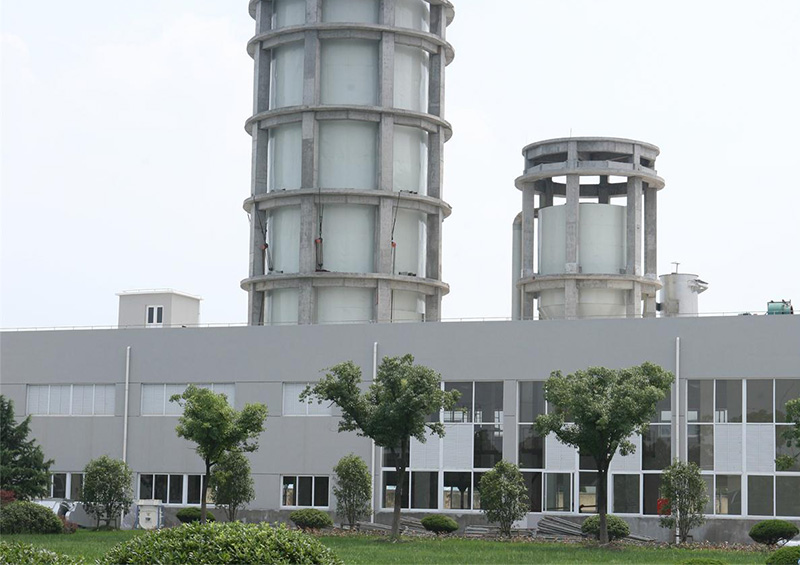
Spray drying and spray congealing are two closely related industrial processes used to transform liquids or suspensions into dry powders or granular materials. Both techniques employ atomization to create small droplets from a liquid feed, followed by rapid drying or solidification. These methods play critical roles in numerous industries including pharmaceuticals, food processing, chemicals, and ceramics. While they share some fundamental similarities in their approach, spray drying and spray congealing differ significantly in their operating principles, process conditions, and final product characteristics.
Spray drying is a continuous particle formation process that converts liquids into dry powders through rapid evaporation of the solvent. The process involves three primary stages:
Atomization: The liquid feed is dispersed into fine droplets using rotary, pressure, or two-fluid nozzles
Drying: The droplets contact hot gas (typically air or nitrogen) in a drying chamber, causing instantaneous solvent evaporation
Particle separation: The dried particles are separated from the gas stream using cyclones or bag filters
Key Process Parameters
Several critical parameters govern spray drying efficiency and product quality:
Inlet temperature (typically 150-220°C for aqueous systems)
Outlet temperature (usually 80-100°C, depending on product thermal sensitivity)
Feed rate and solids concentration
Atomization energy and droplet size distribution
Drying gas flow rate and residence time
Equipment Configuration
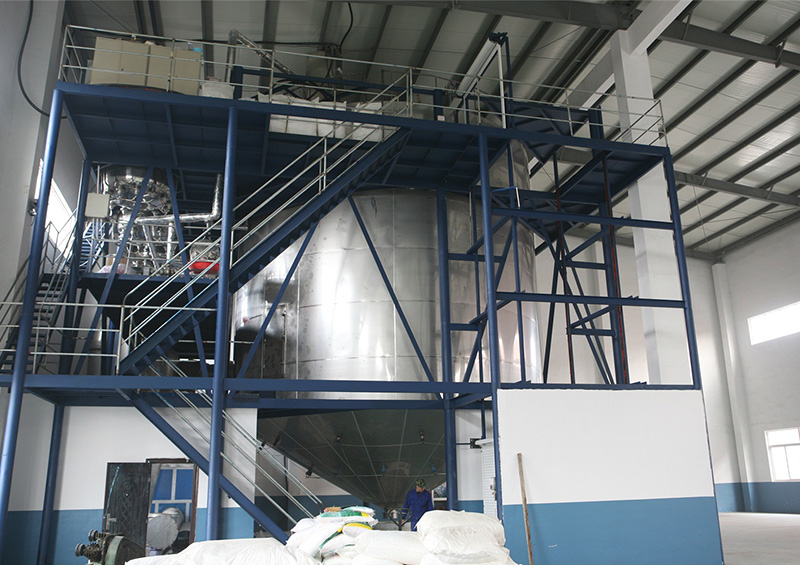
Modern spray dryers consist of:
Feed preparation and delivery system
Atomization device (rotary wheel or nozzle)
Drying chamber (concurrent, counter-current, or mixed flow)
Hot air generation and distribution system
Powder collection system
Exhaust air treatment (when necessary)
Applications of Spray Drying
Pharmaceutical Industry
Production of dry powder inhalers
Microencapsulation of active ingredients
Preparation of amorphous solid dispersions for solubility enhancement
Manufacture of excipient powders for tablet formulations
Food Industry
Milk and dairy powder production
Instant coffee and tea powders
Egg powder and flavor encapsulation
Production of functional food ingredients
Other Industries
Detergent and surfactant powders
Ceramic precursor materials
Catalyst supports
Pigment and dye formulations
Advantages of Spray Drying
Continuous operation suitable for large-scale production
Rapid processing that can preserve heat-sensitive materials
Controlled particle size and morphology through parameter adjustment
Good solubility and reconstitution properties of products
Aseptic processing capability for sterile products
Versatility in handling various feed types (solutions, suspensions, emulsions)
Spray Congealing: Process and Principles
Fundamental Mechanism
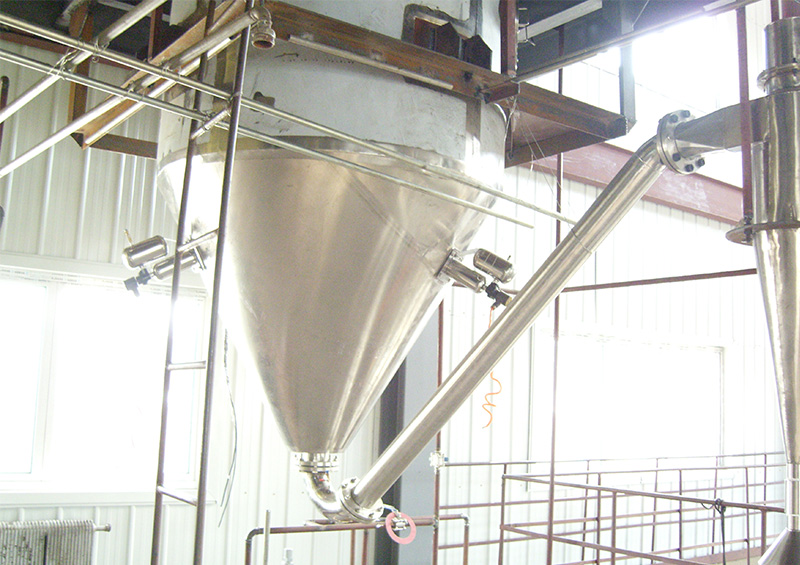
Spray congealing (also called spray chilling or spray cooling) is a particle formation technique where atomized droplets of molten material solidify upon contact with a cooled gas or environment. The process involves:
Melting of the carrier material (typically fats, waxes, or polymers)
Atomization of the melt into fine droplets
Solidification of droplets through heat removal
Particle collection
Key Process Parameters
Critical factors in spray congealing include:
Melt temperature (must be sufficiently above melting point for proper atomization)
Cooling medium temperature (typically below the solidification point)
Atomization conditions affecting droplet size
Residence time in cooling chamber
Carrier material properties (melting point, viscosity, crystallization behavior)
Equipment Configuration
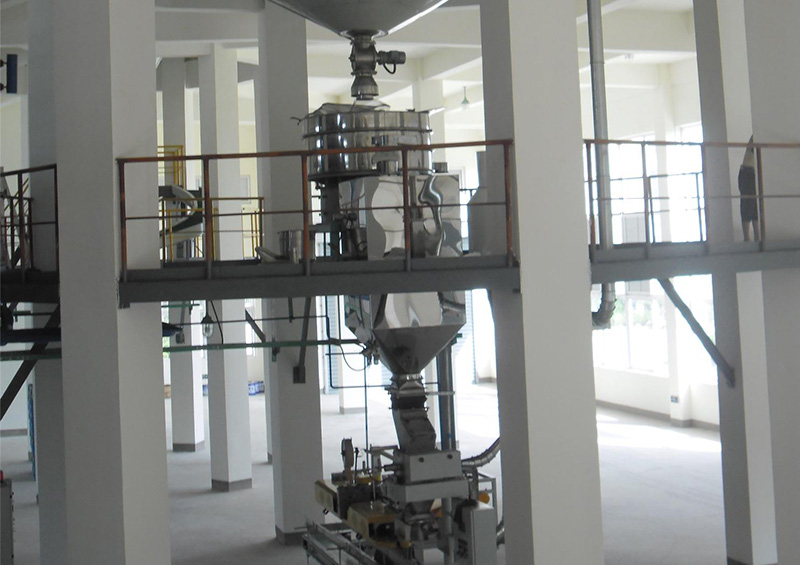
Spray congealing systems typically consist of:
Melt preparation and holding tank
Atomization device (usually pressure or rotary)
Cooling chamber (often with chilled air or nitrogen)
Particle collection system
Temperature control units
Applications of Spray Congealing
Pharmaceutical Industry
Taste masking of bitter drugs
Controlled release formulations
Production of solid lipid particles
Encapsulation of volatile or oxygen-sensitive compounds
Food Industry
Production of fat-based powder ingredients
Encapsulation of flavors and nutrients
Manufacture of powdered shortening and edible coatings
Chemical Industry
Wax and polymer particle production
Phase change materials for thermal storage
Specialty chemical encapsulation
Advantages of Spray Congealing
Mild conditions suitable for heat-labile compounds
Solvent-free processing eliminating residual solvent concerns
Improved stability for sensitive materials
Controlled release characteristics through matrix formation
Good flow properties of resulting powders
Versatility in encapsulating various active ingredients
Comparative Analysis: Spray Drying vs. Spray Congealing
Thermal Considerations
Spray drying uses heat for solvent evaporation (endothermic process)
Spray congealing uses cooling for solidification (exothermic process)
Energy Requirements
Spray drying typically requires more energy due to solvent evaporation
Spray congealing has lower energy demands but may require melt heating
Product Characteristics
Spray dried particles often have hollow or porous structures
Spray congealed particles tend to be dense and non-porous
Material Considerations
Spray drying requires solvent-soluble materials
Spray congealing requires thermoplastic materials with suitable melting points
Process Scalability
Both processes are highly scalable, though spray drying has been more widely implemented at industrial scale
Spray drying and spray congealing represent two powerful particle engineering technologies with distinct mechanisms and complementary applications. Spray drying excels in producing dry powders from solvent-based systems through rapid evaporation, while spray congealing specializes in creating solid particles from molten materials via controlled cooling. The choice between these techniques depends on material properties, desired product characteristics, and processing constraints. As both technologies continue to evolve with new innovations, their applications across various industries are expected to expand further, enabling the development of advanced materials with tailored functionalities.